Understanding the Importance of Vitamin D Testing for Norwich Residents
Analysing Local Health Trends
Private Vitamin D Blood Tests in Norwich: The incidence of vitamin D deficiency in Norwich shows considerable fluctuation, primarily driven by seasonal sunlight availability and the tendency for indoor living. During the winter months, many residents face reduced sunlight exposure, which is essential for the body’s natural vitamin D synthesis. Regular testing is crucial for identifying deficiencies that may not be immediately apparent, allowing for timely actions to enhance overall wellbeing.
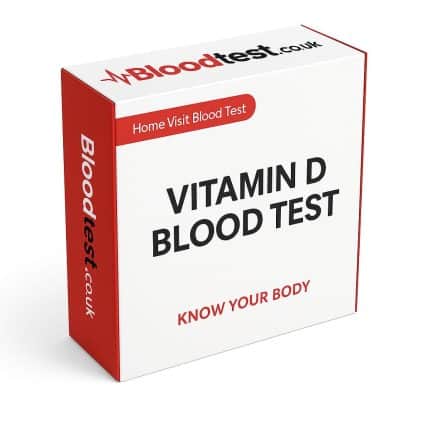

In community settings, these health trends can increase the risk of associated complications, such as weakened immune systems and issues related to bone health. By prioritising vitamin D testing, residents of Norwich can take proactive measures to monitor their health, stay informed about their vitamin D levels, and make necessary adjustments to their lifestyles.
Making the Most of NHS Testing Services
The NHS offers various accessible options for vitamin D testing across Norwich, making the process easier for residents. Local GP surgeries often provide straightforward referrals, allowing individuals to seamlessly incorporate testing into their regular healthcare routines. This accessibility is vital for early detection and intervention, ultimately leading to improved health outcomes for the community.
Several clinics in Norwich accommodate appointments that fit around residents’ hectic lives. This convenience encourages greater participation in regular health assessments, fostering a culture of preventive care that can significantly elevate community health standards.
Why is Vitamin D Testing Indispensable for Norwich Residents?
Residents of Norwich face unique challenges related to seasonal weather patterns, which can affect their vitamin D levels throughout the year. Gaining insight into personal vitamin levels is essential for tailoring health advice to each individual’s circumstances. Regular testing empowers residents to make informed decisions regarding sun exposure, dietary changes, and the need for supplementation.
In a region marked by extended winters and limited sunlight, testing becomes a vital tool for sustaining energy levels and overall health. By staying informed about their vitamin D status, locals can effectively navigate seasonal changes and support their wellbeing.
Influence of Local Dietary Habits on Vitamin D Levels
A considerable number of residents in Norwich may not consume enough vitamin D-rich foods, often due to longstanding dietary patterns. Common food choices frequently lack essential nutrients necessary for maintaining optimal vitamin D levels, including fatty fish, fortified items, and egg yolks. This dietary shortfall underscores the importance of regular testing to detect deficiencies at an early stage.
Testing can guide residents in making informed dietary adjustments or considering supplementation. By understanding their specific needs, Norwich locals can improve their health outcomes and ensure they receive the vital nutrients necessary for optimal wellbeing.
Reducing Associated Health Risks through Testing
<pRegular vitamin D testing is crucial for Norwich, as it helps identify low levels before they lead to serious health conditions, such as rickets in children or compromised immunity in adults. Early detection enables timely interventions, significantly enhancing health outcomes and relieving pressure on local healthcare facilities.
By prioritising testing, the community can work towards preventing related illnesses, fostering a healthier population overall. Timely interventions not only strengthen individual health but also enhance the wellbeing of the entire Norwich community, reducing healthcare expenses and improving the quality of life.
Expert Perspectives on Vitamin D Blood Testing in Norwich
Case Studies from Local Health Clinics
Healthcare professionals in Norwich report notable improvements in patient outcomes following targeted vitamin D testing. For example, a case study from a local clinic featured a patient who, after discovering a deficiency, adjusted their diet and began supplementation. This proactive strategy resulted in increased energy levels and improved overall health.
These real-world examples underscore the importance of integrating test results into everyday health management. By sharing success stories, local clinics can motivate more residents to prioritise their health and utilise available testing services for better health outcomes.
Best Practices for Ensuring Accurate Test Results
To ensure accurate vitamin D results, experts advise that patients follow specific preparation protocols before their testing appointment. Consistent timing for blood draws, ideally in the morning, can produce more reliable results. Avoiding certain foods or supplements shortly before the test can enhance accuracy.
By adhering to these guidelines, patients in Norwich can sidestep common pitfalls that might distort results. Clear communication with healthcare providers about any medications or lifestyle factors is essential to ensure that the readings accurately reflect true vitamin D status.
Evaluating Local Trends in Vitamin D Levels
An analysis of vitamin D testing data in Norwich reveals significant patterns associated with local dietary habits and activity levels. Residents who are more physically active and engage in outdoor pursuits typically demonstrate higher vitamin D levels, whereas those with more sedentary lifestyles often experience deficiencies. This information equips healthcare providers to tailor recommendations based on individual lifestyles.
Understanding these regional trends enables the development of more personalised health strategies. By addressing specific dietary deficiencies and promoting outdoor activities, healthcare professionals can help Norwich residents achieve optimal vitamin D levels and enhance their overall health.
Clarifying the Vitamin D Blood Test Process
Navigating the Sample Collection Process
The vitamin D blood test involves a straightforward sample collection procedure at local facilities in Norwich. Typically, a healthcare professional conducts a simple blood draw, which usually takes just a few minutes. This quick process allows residents to easily integrate testing into their busy schedules.
Once collected, the blood sample is dispatched to a laboratory for analysis. Accurate measurement of vitamin D levels is essential for understanding an individual’s health status and facilitating timely interventions should deficiencies be detected.
What is the Anticipated Turnaround Time for Results?
Turnaround times for vitamin D test results in Norwich generally span a few days. This timeframe permits patients to schedule follow-up appointments with their healthcare providers, during which they can review their results and discuss any necessary next steps.
Being prepared for these discussions is vital, as patients often have queries concerning their specific readings and how to improve or maintain their vitamin D levels. This proactive attitude towards health management is essential for ensuring that residents remain informed and engaged in their wellbeing.
Preparation Tips for Optimal Testing
Preparing for a vitamin D blood test may involve specific recommendations to ensure optimal conditions for accurate measurements. Some providers may suggest fasting for several hours before the test, while others might recommend scheduling the test at a particular time of day to enhance reliability.
Understanding these preparation requirements is vital for residents of Norwich, as adherence can lead to more accurate results. Open communication with healthcare providers regarding any dietary or lifestyle factors is also essential for correct interpretation of the results.
Laboratory Techniques Utilised for Analysis
Once the blood sample arrives at the Norwich laboratory, specialists employ advanced techniques to analyse the vitamin D metabolites. One common method used is the enzyme-linked immunosorbent assay (ELISA), which accurately measures vitamin D concentrations in the bloodstream.
This thorough laboratory analysis offers valuable insights into a patient’s health status, indicating potential deficiencies that may require attention. By using sophisticated techniques, local laboratories ensure that residents receive precise and trustworthy information regarding their vitamin D levels.
Proven Benefits of Vitamin D Blood Testing in Norwich
Findings from UK Research
Research conducted in the UK has established a strong correlation between regular vitamin D testing and a decrease in health risks. For residents of Norwich, studies suggest that gaining early insights into vitamin D levels can lead to effective interventions, enhancing daily functioning and overall health.
These findings underscore the necessity of proactive health management. By prioritising vitamin D testing, individuals can take charge of their health and make informed choices that positively impact their wellbeing.
Local Case Studies Highlighting the Benefits
Documented examples from local clinics in Norwich further illustrate the advantages of proactive vitamin D testing. For instance, patients who modified their lifestyles based on their test results reported improvements in balance and vitality. These tangible benefits demonstrate how informed adjustments can lead to enhanced health outcomes.
By sharing these real-world stories, healthcare providers can motivate more Norwich residents to engage in regular testing. This community-centric approach cultivates a culture of health awareness and proactive management of vitamin D levels.
Long-Term Health Advantages of Regular Testing
Consistent evaluations of vitamin D levels can carry substantial long-term health implications for residents of Norwich. Evidence indicates that ongoing monitoring correlates with fewer complications related to vitamin D deficiency, such as osteoporosis and disorders of the immune system.
By committing to regular testing, individuals can support sustained vitality and overall health. This proactive strategy benefits not only individual residents but also contributes to the wider health of the Norwich community, alleviating healthcare burdens over time.
Factors Affecting Your Vitamin D Test Results
Influence of Local Dietary Choices
Dietary patterns in Norwich play a significant role in affecting vitamin D levels among residents. The availability of seasonal produce and traditional food preferences can either support or impede optimal vitamin D readings. For instance, a diet lacking in fatty fish and fortified foods may result in insufficient levels.
Understanding these dietary impacts is essential for residents looking to enhance their vitamin D status. By making informed food choices, individuals can boost their nutrient intake and effectively support their overall health.
Essential Lifestyle Considerations
Lifestyle factors, including activity levels and time spent indoors, greatly influence vitamin D test results among Norwich residents. Those who engage in regular outdoor activities and maintain active lifestyles tend to have higher vitamin D levels, while individuals who lead more sedentary lives may face deficiencies.
Awareness of these lifestyle factors is crucial for accurately interpreting test data. By intentionally increasing outdoor activities and reducing sedentary behaviours, residents can positively impact their vitamin D status.
The Role of Medications in Influencing Vitamin D Levels
Certain medications prescribed to residents of Norwich may affect vitamin D levels, potentially altering test results. Individuals should discuss their current prescriptions with healthcare providers to ensure clarity around their vitamin D status.
By being forthcoming about medication usage, patients can receive personalised advice that takes into account how these factors may influence their vitamin D levels. This collaborative relationship between patients and providers is vital for effective health management.
Next Steps Following Testing in Norwich
Understanding Your Test Results
Upon receiving vitamin D test results, local experts assist Norwich patients in interpreting the findings. They provide context for the numbers, helping individuals understand what their results mean for their health and any adjustments they may need to consider.
This guidance is essential for facilitating informed decisions regarding supplementation or lifestyle changes. By contextualising the results, healthcare professionals empower residents to take control of their health and make educated choices.
Community Resources Available for Follow-Up Care
Residents of Norwich have access to a variety of community resources that offer ongoing support after vitamin D testing. These resources can include nutritional counselling, lifestyle coaching, and group workshops focused on health maintenance strategies.
Such resources are invaluable in helping individuals implement changes based on their test results. By nurturing a supportive community environment, residents can work towards maintaining optimal health and wellbeing.
Tracking Progress Over Time
Regular retesting at Norwich centres is crucial for monitoring improvements in vitamin D levels as time passes. Consistent assessments provide a framework for residents aiming to sustain healthy vitamin D levels, allowing timely adjustments to their health strategies as needed.
This ongoing monitoring is essential for ensuring that individuals remain on track with their health objectives. By committing to regular evaluations, Norwich residents can actively manage their vitamin D status and overall wellbeing.
How to Book Your Testing Appointment in Norwich
Locating Convenient Testing Venues
Norwich features a wealth of locations that offer easy access to vitamin D testing, enabling residents to choose venues that best suit their work or family commitments. This convenience is key to encouraging more individuals to participate in regular health checks without added travel challenges.
By providing multiple options, local clinics ensure that residents can prioritise their health without significant disruptions to their daily routines. This accessibility is a fundamental aspect of fostering a culture of preventive care within the community.
What to Bring to Your Appointment
When attending a vitamin D testing appointment in Norwich, residents should bring identification and relevant medical history information. This documentation helps streamline the process at local centres, ensuring efficient management from the initial booking through to test completion.
Being well-prepared with the necessary documents can enhance the overall experience, allowing patients to concentrate on their health and the importance of the testing process.
Understanding Costs and Eligibility for Testing
NHS pathways generally cover vitamin D testing for eligible individuals in Norwich, making it accessible for many residents. For those looking for quicker or additional testing options, private alternatives are also available. Familiarising oneself with the costs and eligibility criteria can help residents make informed health decisions.
By exploring both NHS and private options, Norwich locals can identify the best solution for their needs and ensure they receive the necessary testing to maintain optimal vitamin D levels.
Frequently Asked Questions
What does a vitamin D blood test involve?
A vitamin D blood test assesses the level of vitamin D in your bloodstream, assisting in identifying deficiencies or excesses that may affect your health.
Why is vitamin D essential?
Vitamin D is crucial for bone health, immune function, and overall wellbeing. It aids the body in absorbing calcium and supports various physiological processes.
How often should I have testing done?
It is typically advised to test vitamin D levels annually, especially for individuals at risk of deficiency, such as those with limited sun exposure.
What symptoms suggest vitamin D deficiency?
Symptoms may include fatigue, bone pain, muscle weakness, and increased susceptibility to infections. Some individuals may not present noticeable symptoms.
Is it possible to obtain vitamin D from my diet?
Yes, foods such as fatty fish, fortified dairy products, and egg yolks are excellent sources of vitamin D, though diet alone may not meet everyone’s needs.
How can I elevate my vitamin D levels?
Increasing your levels can be achieved by getting adequate sunlight, consuming vitamin D-rich foods, or taking supplements as advised by a healthcare provider.
Is vitamin D testing covered by the NHS?
Yes, vitamin D testing is frequently covered by the NHS for eligible individuals, particularly those at risk of deficiency or with related health concerns.
What should I do if my levels are low?
If your levels are low, your healthcare provider may recommend dietary changes, increased sun exposure, or vitamin D supplements to help raise them.
Are there risks associated with vitamin D testing?
Vitamin D testing is generally safe, with minimal risks related to the blood draw itself. Discuss any concerns with your healthcare provider before testing.
Can medications influence my vitamin D levels?
Yes, certain medications can affect vitamin D metabolism or absorption. Always inform your healthcare provider about any medications you are currently taking.
Explore our Facebook page today!
This Article Was Originally Published On https://bloodtest.co.uk
The Article Vitamin D Blood Test: Essential Guide for Norwich Residents can be found first on https://electroquench.com