Strategies for Managing Debt Challenges Faced by Sole Traders in the UK
Evaluating Personal Financial Circumstances
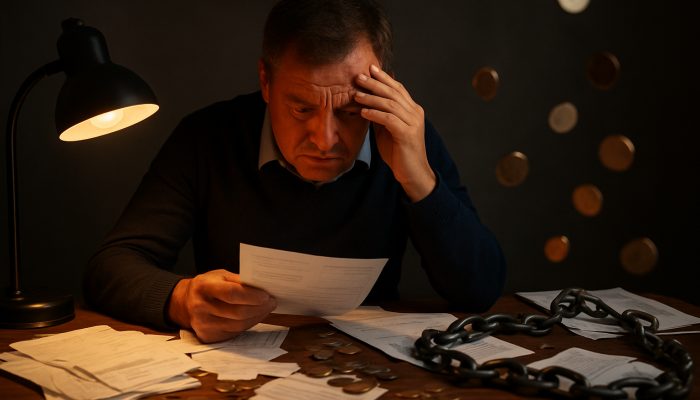
For sole traders in the UK, a comprehensive review of income statements and expenses is essential, particularly when low earnings hinder their capacity to meet debt obligations. By meticulously analysing their financial records, traders can pinpoint any potential deficits that may arise over extended trading periods. This evaluation provides crucial insights into their financial health and aids in planning for forthcoming expenses.
Maintaining a close watch on cash flow is vital for sole traders. By tracking income variations, they can better prepare for lean times and make informed decisions about spending and saving. Understanding these financial trends is critical for effective debt management and sustaining the long-term viability of their business operations.
Understanding Creditor Expectations
Carefully analysing invoices from suppliers and HMRC is crucial for sole traders navigating tight cash flow situations. By prioritising essential payments, traders can avoid falling behind on significant financial commitments. This process often involves compiling a list of outstanding debts and categorising them by urgency and importance.
In times of limited cash flow, sole traders should take the initiative to communicate with creditors to negotiate payment terms. This strategy not only reduces immediate financial pressure but also fosters trust with suppliers and service providers, enhancing future business relationships.
Recognising Risk Factors
Periods of low income for sole traders frequently result from seasonal fluctuations in trade, making it essential to monitor these changes closely. Identifying income patterns helps traders prepare for potential downturns and avoid accumulating debts with banks and utility companies.
Sole traders should develop contingency plans for times of reduced income, which could include setting aside a portion of earnings or diversifying their revenue streams. By adopting a proactive stance, they can mitigate risks associated with their business operations and maintain financial stability during challenging times.
How Is Debt Advice Provided in the UK?
Engaging with Authorised Organisations
Consulting regulated debt advice services in the UK guarantees that sole traders receive tailored solutions that adhere to local insolvency regulations. These organisations offer vital support, guiding traders through their financial challenges and assisting them in exploring effective options for debt management.
Sole traders can leverage the expertise of authorised bodies, which provide insights into various debt solutions and strategies. This professional guidance is essential for those experiencing difficulties, equipping them with the knowledge necessary to make informed decisions regarding their financial future.
What Actions Follow the Initial Assessment?
After the initial assessment, a debt adviser will outline the available schemes specifically designed for sole traders in the UK. These may include budgeting support and repayment strategies aimed at stabilising finances without necessitating court intervention. This process is crucial for traders striving to regain control over their financial situations.
The adviser typically reviews the trader’s specific circumstances and recommends actionable measures to improve cash flow. This might involve restructuring current debts or negotiating with creditors to establish a more manageable repayment plan, thereby allowing traders to concentrate on their business activities.
Collecting Essential Documentation
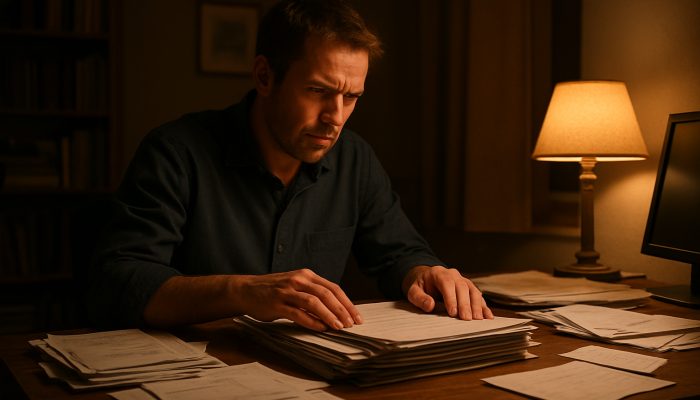
Gathering the necessary documentation is a crucial step for sole traders seeking debt relief options. This includes collecting tax returns, bank statements, and pertinent financial records that support their applications. Well-organised documentation streamlines the process of obtaining assistance and demonstrates the trader’s commitment to addressing their financial challenges.
Sole traders must ensure that all documents are accurate and current, as discrepancies can lead to delays in receiving support. By being thorough in their preparations, traders can enhance their chances of accessing relief options tailored specifically for UK business owners.
Expert Insights on Debt Solutions for Sole Traders with Low-Income
Investigating Formal Arrangements
Formal arrangements such as Debt Relief Orders (DROs) and Individual Voluntary Arrangements (IVAs) provide structured solutions for sole traders experiencing low earnings. These options protect assets and create a clear framework for managing debts under the guidelines established by the insolvency service. For instance, a sole trader who qualifies for a DRO can have their debts discharged after one year, enabling them to rebuild their financial situation free from the burden of crippling debt.
Real-world examples from the UK demonstrate how these arrangements have helped traders overcome financial obstacles. Numerous individuals have successfully employed these formal options to regain control over their finances while ensuring that essential business operations continue during the repayment phase.
Assessing Informal Agreements
Negotiating informal agreements with creditors can serve as an effective strategy for sole traders confronting low income. This method involves direct discussions regarding reduced payment options with creditors, affording greater flexibility in fulfilling financial commitments. When traders maintain open lines of communication, they often secure mutually beneficial arrangements that alleviate financial pressures.
To negotiate effectively, traders should prepare a comprehensive proposal outlining their financial situation and suggesting realistic repayment terms. This proactive approach not only highlights the trader’s commitment to addressing their debts but also aids in preserving business relationships during tough times.
Exploring Government Support Options
Government support initiatives, such as Universal Credit, play a crucial role in assisting sole traders with business debts. This financial aid can help bridge the gap during periods of low income, providing essential support for living costs and business expenses. Understanding how these benefits interact with business debts is vital for traders aiming to manage their finances effectively.
Sole traders should assess their eligibility for government assistance and ensure they claim all available benefits. This proactive approach can result in significant relief, allowing them to focus on stabilising their business while addressing their debts.
Considering Bankruptcy as an Option
For low-income sole traders in the UK, bankruptcy may present a viable debt solution, especially when other options have been exhausted. While it offers a fresh start by discharging most unsecured debts, it also comes with considerable implications, such as restrictions on future business activities and the potential loss of assets.
Traders must carefully weigh the consequences of bankruptcy, including its effect on their credit rating and the duration it remains on their record. Seeking professional guidance is crucial to ensure that bankruptcy is the right choice for their unique circumstances and to explore alternatives that may be less disruptive.
Accessing Expert Debt Advice
The expertise of authorised debt counsellors is invaluable for sole traders facing financial challenges. These professionals provide tailored guidance, assisting traders in creating personalised plans that balance debt repayment with the necessity to maintain essential business functions.
By collaborating with debt advisers, sole traders acquire insights into effective strategies for managing their debts while ensuring their business remains viable. This specialised support can significantly contribute to fostering long-term financial stability and resilience.
What Debt Solutions Are Available for Sole Traders?
Applying for a Debt Relief Order
A Debt Relief Order (DRO) is a UK-specific option that halts creditor actions for individuals with limited assets and income. This route is designed for those who owe less than £30,000 and possess minimal disposable income. By applying for a DRO, sole traders can safeguard their assets while working towards debt resolution.
The application process requires a thorough assessment of the trader’s financial condition, ensuring they meet the necessary criteria. Once approved, a DRO offers reassurance, allowing traders to concentrate on rebuilding their business without the constant pressure of creditor demands.
Establishing an Individual Voluntary Arrangement
An Individual Voluntary Arrangement (IVA) enables sole traders to devise structured repayments over five years, making it suitable for those with variable earnings. This formal agreement assists traders in managing their debts while retaining control over their business operations.
Throughout the IVA period, traders make regular payments to an insolvency practitioner, who subsequently allocates the funds to creditors. Successfully completing an IVA can lead to the cancellation of debts, paving the way for financial recovery and stability.
How Can Budgeting Plans Benefit Sole Traders?
Creating a monthly spending plan with UK advisers proves to be an effective strategy for sole traders aiming to prevent further borrowing. Budgeting helps traders allocate resources toward essential business costs, ensuring they can cover necessary expenses while managing debt repayments.
By closely monitoring their income and expenditures, traders can identify potential savings and make informed decisions regarding their spending. This disciplined approach not only aids in debt management but also cultivates long-term financial health and sustainability.
Effective Strategies for Debt Solutions Aimed at Low-Income Sole Traders
Prioritising HMRC Obligations
Handling tax debts, particularly those owed to HMRC, should be the foremost priority for sole traders. Key advantages of addressing these obligations first include avoiding penalties, ensuring compliance, and protecting personal assets.
– Preventing late payment penalties
– Maintaining eligibility for payment plans
– Reducing anxiety related to tax debts
– Enhancing credibility with HMRC
By prioritising these responsibilities, sole traders can navigate their financial challenges more effectively and establish a solid foundation for future business operations.
Utilising Breathing Space Schemes
The statutory moratorium, referred to as the Breathing Space scheme in the UK, suspends enforcement actions against sole traders experiencing financial difficulties. This temporary relief grants traders the time required to organise their affairs during low-income periods without the pressure of creditor demands.
To access this scheme, traders must meet specific criteria and apply through an authorised debt adviser. Once approved, it offers a crucial opportunity for traders to evaluate their financial situations and explore viable debt solutions without the fear of immediate repercussions.
Examining Business Asset Protection
Assessing tools and stock safeguards is essential for sole traders aiming to protect their business assets. Many traders may have personal guarantees linked to their business loans, making it critical to comprehend the implications of potential financial challenges.
By evaluating asset protection strategies, traders can ensure the continuity of their operations while addressing personal liabilities. This proactive approach can help mitigate risks associated with business debts and secure their financial future.
How Do Informal Solutions Compare to Formal Ones?
Requesting Direct Negotiations with Lenders
Sole traders can request payment holidays from lenders without entering formal proceedings if their income remains below certain thresholds. This informal option allows for temporary relief while traders stabilise their finances.
By communicating directly with lenders, traders can negotiate terms that accommodate their current financial situations. This may include extending repayment periods or reducing monthly payments, providing essential flexibility during challenging times.
What Are the Long-Term Consequences of Debt Management Options?
Formal solutions like bankruptcy can significantly impact a trader’s credit rating for six years, whereas informal agreements may carry different implications for future lending opportunities. Understanding these long-term consequences is essential for traders contemplating their debt management strategies.
While informal agreements may offer more flexibility, they can still influence credit ratings and borrowing capacity. Traders should carefully evaluate the pros and cons of each option to determine the most suitable path for their circumstances.
Regularly Reviewing Financial Progress
Continuous reviews with advisers are essential for ensuring that debt management strategies align with fluctuations in trading income. Regular assessments enable sole traders to adjust their plans as needed, reflecting any changes in their financial circumstances reported to HMRC each tax year.
By remaining proactive and engaged in their financial management, traders can adapt to new challenges and seize opportunities for growth. This ongoing oversight helps maintain financial stability and contributes to long-term business success.
Achieving Sustainable Financial Stability
Creating Emergency Reserves
Setting aside small amounts weekly to build emergency reserves is a vital strategy for sole traders. This practice provides a buffer against future low-income periods, which are common in self-employment throughout the UK.
Having a financial cushion enables traders to handle unexpected challenges without resorting to additional borrowing. By prioritising savings, they can bolster their financial resilience and ensure their business remains viable during difficult times.
Participating in Professional Training
Engaging in workshops focused on cash flow management can significantly enhance decision-making for business owners facing persistent debt pressures. Investing in professional training allows sole traders to gain valuable insights into managing their finances more effectively.
These workshops typically cover crucial topics such as budgeting, forecasting, and financial planning. By improving their skills, traders can make informed decisions that support their long-term financial health and stability.
Staying Informed About Economic Changes
Remaining aware of fluctuations in UK interest rates is vital for sole traders, as these changes can greatly influence loan repayments. By monitoring economic indicators, traders can anticipate how shifts may affect their financial obligations and adjust their strategies accordingly.
Understanding the broader economic landscape empowers traders to make proactive decisions regarding borrowing and spending. This awareness can assist them in navigating financial challenges more effectively and maintaining stability in their business operations.
Diversifying Income Streams
Establishing multiple income streams is a key strategy for sole traders to reduce dependency on primary clients. By diversifying their offerings, traders can better manage seasonal demand variations across the UK.
This approach not only promotes enduring business viability but also enhances personal economic well-being over the long term. By exploring new markets or services, sole traders can develop additional revenue streams that provide stability during unpredictable periods.
Planning for Retirement
Regular contributions to suitable pension arrangements are essential for self-employed individuals in the UK. This practice allows traders to accumulate significant funds for retirement while benefiting from available tax reliefs that enhance overall savings growth.
By prioritising retirement planning, sole traders can secure their financial future. Consulting with financial advisers to explore pension options can yield tailored strategies that align with their unique business realities and long-term goals.
Frequently Asked Questions
What Are Debt Relief Orders?
Debt Relief Orders (DROs) are formal arrangements for individuals with low income and minimal assets, allowing them to have their debts written off after a year.
How Does an Individual Voluntary Arrangement Operate?
An Individual Voluntary Arrangement (IVA) is a formal agreement to settle debts over a defined period, typically five years, enabling sole traders to manage their debts while continuing business operations.
Can I Negotiate Directly with Creditors?
Yes, sole traders can negotiate directly with creditors for reduced payments or payment holidays, particularly during low-income periods, to manage their financial commitments more effectively.
What Is the Breathing Space Scheme?
The Breathing Space scheme provides temporary relief from creditor actions, allowing individuals to organise their financial affairs without the stress of immediate repayments.
How Long Does Bankruptcy Impact My Credit Rating?
Bankruptcy can affect a trader’s credit rating for up to six years, making it essential to consider this option carefully before proceeding.
What Are the Advantages of Seeking Professional Debt Advice?
Professional debt advice offers tailored strategies and insights for managing financial difficulties, helping sole traders explore viable options for debt resolution and achieving financial stability.
How Can I Establish an Emergency Fund?
Building an emergency fund involves setting aside small amounts of money regularly, creating a financial cushion to support you during low-income periods or unforeseen expenses.
What Should I Include in My Budgeting Plan?
A budgeting plan should encompass all income sources and essential expenses, enabling sole traders to identify savings opportunities and ensure they can meet their financial obligations.
How Can I Safeguard My Business Assets?
To protect business assets, sole traders should assess their financial responsibilities and consider legal protections, including insurance and limited liability structures, to safeguard their interests.
What Government Support Is Accessible for Sole Traders?
Sole traders may access various forms of government support, including Universal Credit, which can assist with living costs and business expenses during low-income periods.
Visit our Facebook profile for the latest updates!
This Article Was First Found On: https://www.debtconsolidationloans.co.uk
The Article Debt Options for Low-Income Sole Traders to Consider found first on https://electroquench.com