Recognising the Impact of Lush Trees and Their Root Systems on Your Plumbing
Tree roots are constantly in search of moisture and nutrients, often spreading widely in their quest for sustenance. When your older stormwater or sewer pipes develop even the most minor leaks, they unwittingly attract nearby trees such as fig, willow, or camphor laurel, turning your plumbing into an appealing water source. This issue is particularly acute in regions like Sydney’s Sutherland Shire, where many residences still rely on ageing terracotta or earthenware pipes. Root invasion is not simply a potential concern; it is almost a certainty. Once roots breach your plumbing, they continue their relentless growth, leading to severe complications such as significant blockages, damaged joints, and even the crushing of pipe walls from within. Understanding this connection is crucial for maintaining a healthy plumbing system.
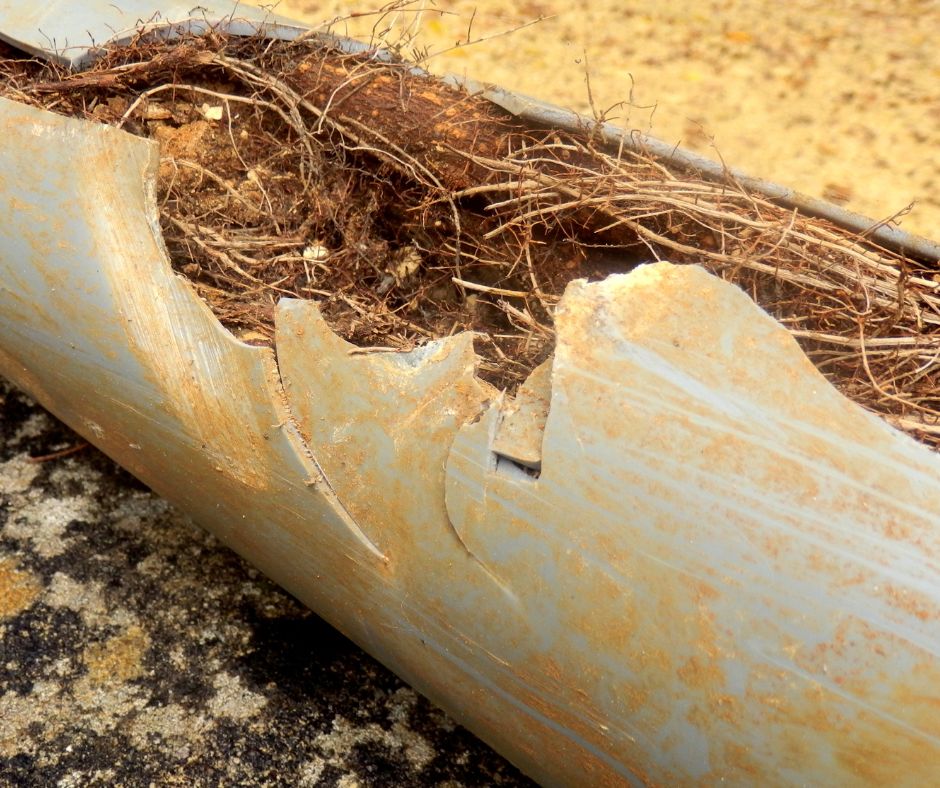
How to Recognise the Initial Warning Signs of Root Intrusion in Your Drainage System
Before your drainage system suffers total failure, it typically gives off subtle signals that you should never overlook. Remain vigilant for warning signs, which may include:
- Toilets that gurgle or bubble following a flush
- Gurgling sounds emanating from the sink while the shower is in use
- Slow drainage in sinks and other fixtures
- Stormwater pits overflowing during rainfall
- Unexplained wet patches in your garden, even during dry spells
If you observe any of these symptoms, it is highly likely that tree roots have penetrated your pipes, necessitating immediate action to avert further damage and costly repairs. Addressing these issues promptly can save you considerable time, money, and inconvenience in the long run.
Is Cutting Tree Roots a Viable Solution for Your Drainage Issues?
Many homeowners turn to quick fixes, such as using drain snakes or applying root foaming treatments in hopes of alleviating their drainage challenges. While these methods may offer temporary relief, they fail to address the root cause of the issue. Persistent cracks and damaged joints in your pipes enable roots to re-enter and continue their invasive growth. Some plumbers in Sydney may recommend excavating and replacing the damaged pipe, but this approach can often be excessive and lead to substantial costs, especially when the pipes are situated beneath hardscaping, driveways, pools, or well-established gardens. Instead, <a href=”https://writebuff.com/pipe-relining-or-pipe-replacing-which-is-best/”>pipe relining</a> stands out as the most efficient and practical solution for these scenarios. Embracing this modern technique can save you time and money.
→ Discover more about the pipe relining services available in Sydney
Understanding Why Pipe Relining Provides Optimal Protection Against Root Intrusion
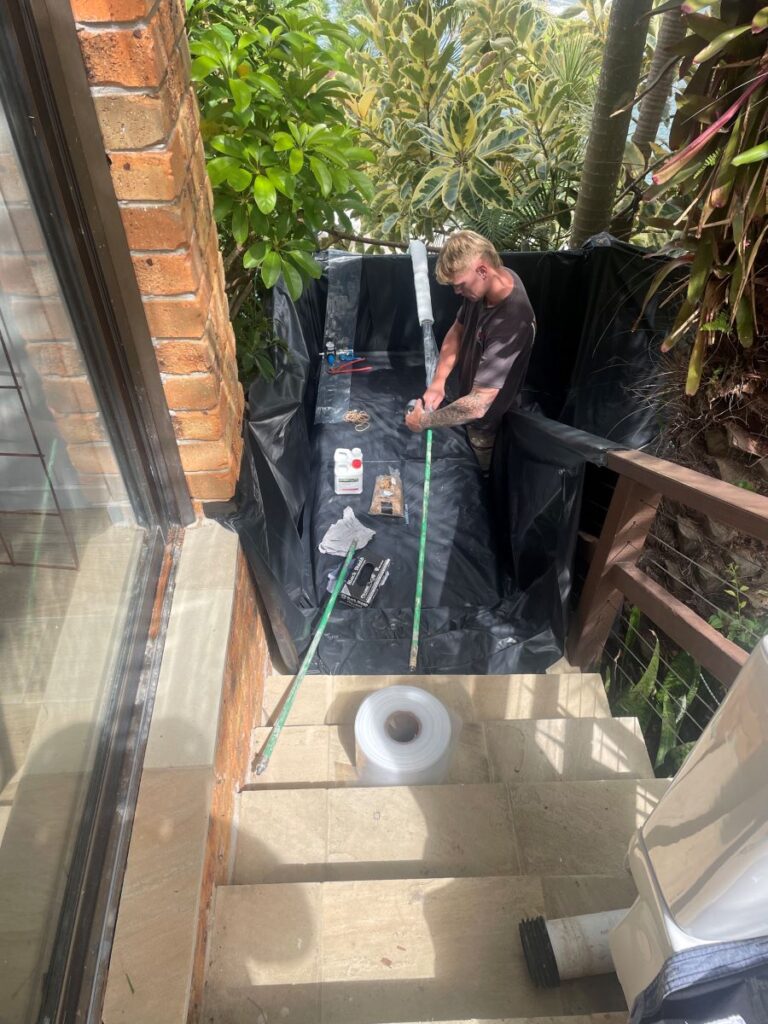
Pipe relining is an innovative process that involves crafting a seamless new pipe within your existing damaged pipe, effectively sealing all cracks and joints that previously allowed roots to penetrate. This modern, trenchless technique negates the need for extensive excavation, preserving your landscape and hard surfaces while providing a long-term solution. By employing cutting-edge technology and materials, pipe relining delivers a robust defence against future root intrusion.
The Comprehensive Steps Involved in the Pipe Relining Process:
- A thorough CCTV inspection is performed to assess the extent of the damage.
- High-pressure jet blasting is employed to clear the pipe of debris and obstructions.
- A resin-soaked liner is inserted and expanded to fit the pipe precisely.
- The liner cures, resulting in a new, root-resistant pipe wall.
Upon completion of the relining process, your pipe will be completely sealed, with no entry points for roots, even if the same trees remain in close proximity. This innovative solution offers peace of mind, knowing that your plumbing system is secure from future threats.
The Hidden Consequences of Delaying Drain Repairs
Every month you postpone addressing a root-infested pipe, the damage escalates exponentially. We have encountered scenarios where minor root intrusion led to catastrophic pipe fractures, resulting in severe complications such as:
- Sinkholes forming in lawns
- Shifting and lifting of pool pavers
- Bathroom floors collapsing into saturated soil
- Sewage backing up through shower drains
If these systems had undergone relining at the first signs of trouble, the extensive damage could have been contained, preventing significant disruption and costly repairs to your property. Proactive maintenance is key to preserving the integrity of your plumbing system.
Real-Life Case Study: Effectively Managing Tree Roots Beneath a Pool
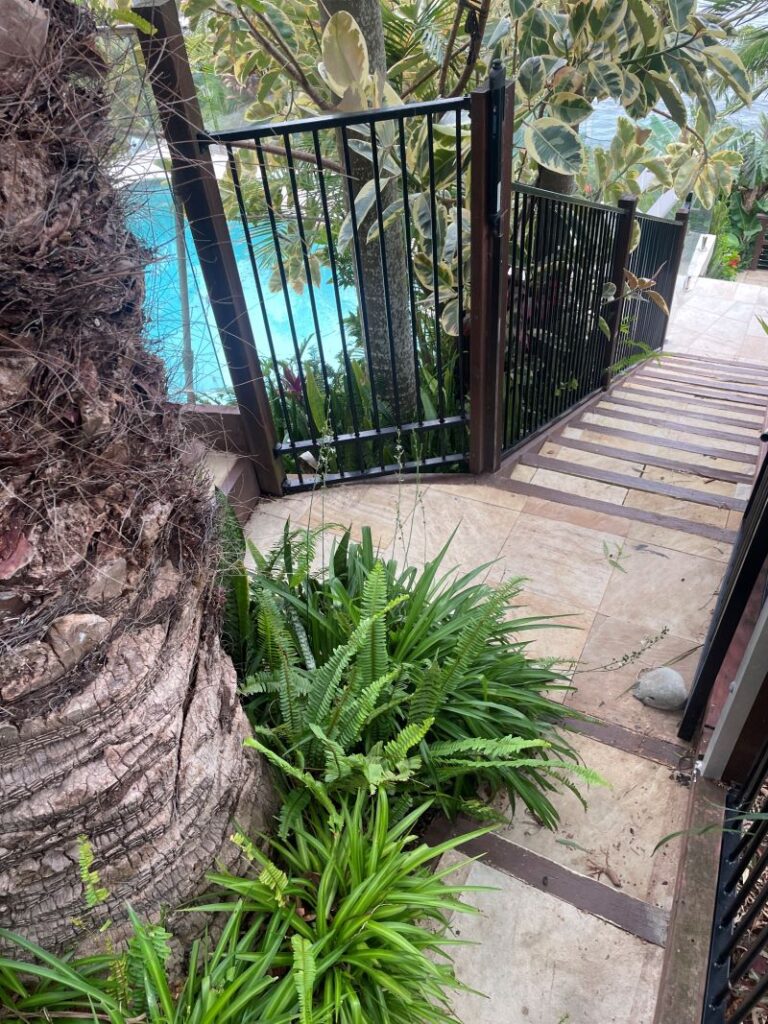
Recently, we undertook a project in Caringbah where tree roots had infiltrated a sewer pipe located beneath a concrete pool deck. The owner was understandably apprehensive about the prospect of a complete excavation that could jeopardise thousands of pounds worth of landscaping and hardscaping. Rather than resorting to disruptive measures, we utilised advanced CCTV technology to accurately locate the intrusion, hydro-jetted the pipe for thorough cleansing, and successfully relined the damaged section without disturbing a single paver. This new lining provided a permanent seal for the pipe, preserving the integrity of the pool area and avoiding unnecessary damage.
Could Your Neighbour’s Tree Be Contributing to Your Drainage Issues?
You are certainly not alone in facing this challenge. Numerous instances of root intrusion originate from trees situated on neighbouring properties, just beyond the fence line. In New South Wales:
- You hold responsibility for the sewer pipes located on your side of the property boundary.
- Documentation may be necessary to file a legal claim against the neighbour.
- Sydney Water solely manages public main lines, leaving homeowners to address private connections.
We can provide CCTV video footage and root identification reports to support your case or assist in maintaining a positive relationship with your neighbour while addressing the situation. Our goal is to ensure a smooth resolution to your plumbing concerns.
Have You Considered Searching for “Blocked Drain Near Me” Yet?
You are certainly not alone in this predicament. Thousands of residents in Sydney experience root-related drainage failures each year, yet many still view pipe replacement as their only viable option. If your pipes remain structurally sound, even with some damage, relining could save you a substantial amount of money, particularly if your plumbing runs beneath:
- Paved driveways
- Bathrooms
- Kitchens
- Pools
- Outdoor entertainment zones
Explore Related Articles to Enhance Your Understanding
If you are contemplating planting new trees, be sure to consult our guide on safe landscaping choices:
The Best Trees to Plant to Prevent Blocked Drains in Sydney. For a comprehensive troubleshooting guide regarding blocked drains, refer to:
Blocked Drain Sydney – Service Page
Tree Roots Causing Drain Blockages – Blog Article.
Take Immediate Action to Resolve Your Drainage Issues Today
While it is impossible to eliminate the possibility of roots growing, you can definitely implement measures to prevent them from invading your drainage systems. Pipe relining effectively seals your plumbing, safeguards your property from disruptive excavation, and resolves the root issue without necessitating the removal of trees. We can conduct a thorough inspection of your drainage system today to determine if relining is the most suitable solution for your specific circumstances. For immediate assistance, contact us at 0418 408 333.
Frequently Asked Questions About Tree Roots and Pipe Relining
How do tree roots infiltrate my drainage system?
Tree roots are constantly seeking moisture and nutrients. When old or cracked pipes leak even small amounts of water into the surrounding soil, they attract roots from nearby trees. These roots can penetrate through cracks or joints, ultimately growing large enough to obstruct or damage the pipe significantly.
Can pipe relining prevent roots from re-entering?
Absolutely. Pipe relining thoroughly seals the entire internal surface of the damaged pipe, eliminating all cracks and joints that previously allowed roots to invade. Once cured, the new liner forms a continuous, root-resistant barrier, ensuring your plumbing system remains protected long-term.
What indicators suggest tree root damage in my drains?
Common indicators of tree root damage include slow drainage, gurgling noises, unpleasant odours, frequent blockages, or overflowing stormwater pits during rainfall. In severe cases, you might also observe damp patches in your garden or shifting paving stones, all of which warrant immediate attention.
Is pipe relining a superior choice compared to pipe replacement?
In numerous instances, yes. Pipe relining negates the need for excavation, thereby preserving your landscaping and hard surfaces from damage. It is also quicker, less disruptive, and often more cost-effective than complete pipe replacement, making it a preferred solution for many homeowners.
What is the lifespan of a relined pipe?
Relined pipes can last over 50 years when installed correctly. The materials used are exceptionally durable, resistant to corrosion, and structurally robust, often outlasting the original pipes they replace, providing you with long-lasting peace of mind.
Will pipe relining be effective if roots have already breached the pipe?
Yes, as long as the pipe retains its general shape and alignment. We utilise CCTV technology to evaluate the condition of the pipe. If it is suitable, we can hydro jet the roots out and install a liner that adheres to the existing pipe, restoring full functionality without the need for excavation, which can save you time and money.
Tree Roots in Your Drains? Why Pipe Relining May Be the Only Way to Fix It
The Article: Tree Roots in Your Drains? Why Pipe Relining May Be the Only Way to Fix It first appeared on https://writebuff.com
The Article Pipe Relining: The Solution for Tree Roots in Your Drains Was Found On https://limitsofstrategy.com
The Article Pipe Relining: Combatting Tree Roots in Your Drains found first on https://electroquench.com