
Transform Your Home’s Appeal by Mastering the Art of Polishing Porcelain Tiles
Polishing porcelain tiles is not merely a maintenance task; it is a vital process that rejuvenates and amplifies both the beauty and functionality of your tiles. This intricate restoration technique is aimed at renewing the shine and smoothness of <a href="https://electroquench.com/porcelain-floor-tiles-cleaner-the-essential-guide-you-need/">porcelain tiles</a>, effectively bringing back their visual allure while prolonging their lifespan. The gleaming finish of polished porcelain tiles not only captivates attention but also offers enhanced protection against stains and scratches. By employing advanced tools and techniques, this process removes surface blemishes, transforming dull tiles into radiant surfaces that draw admiration. Additionally, polished tiles contribute to a healthier living space, as their smooth, glossy surfaces are less likely to attract dirt and grime.
Expert Recommendations for Daily Maintenance of Your Porcelain Tiles
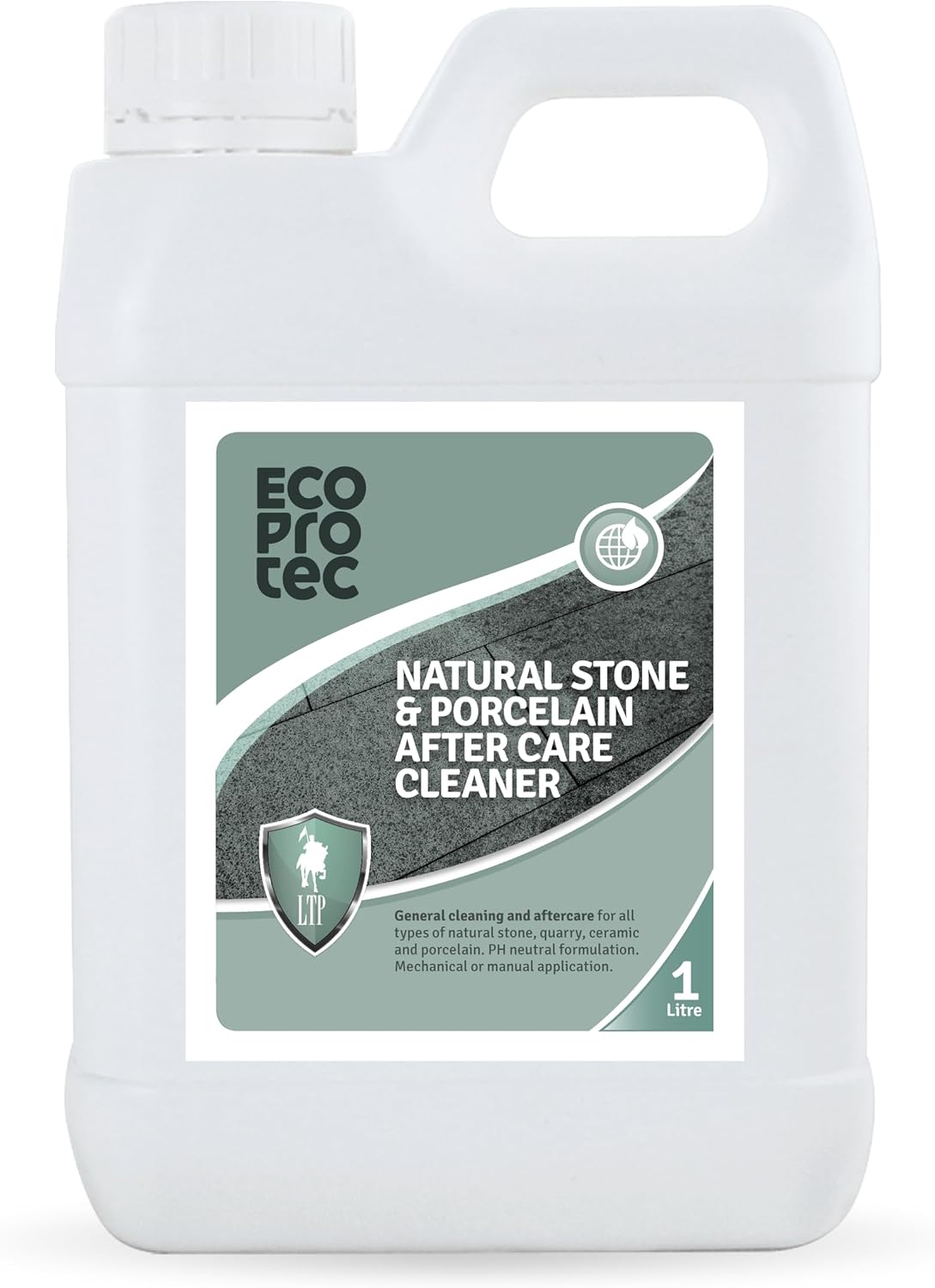
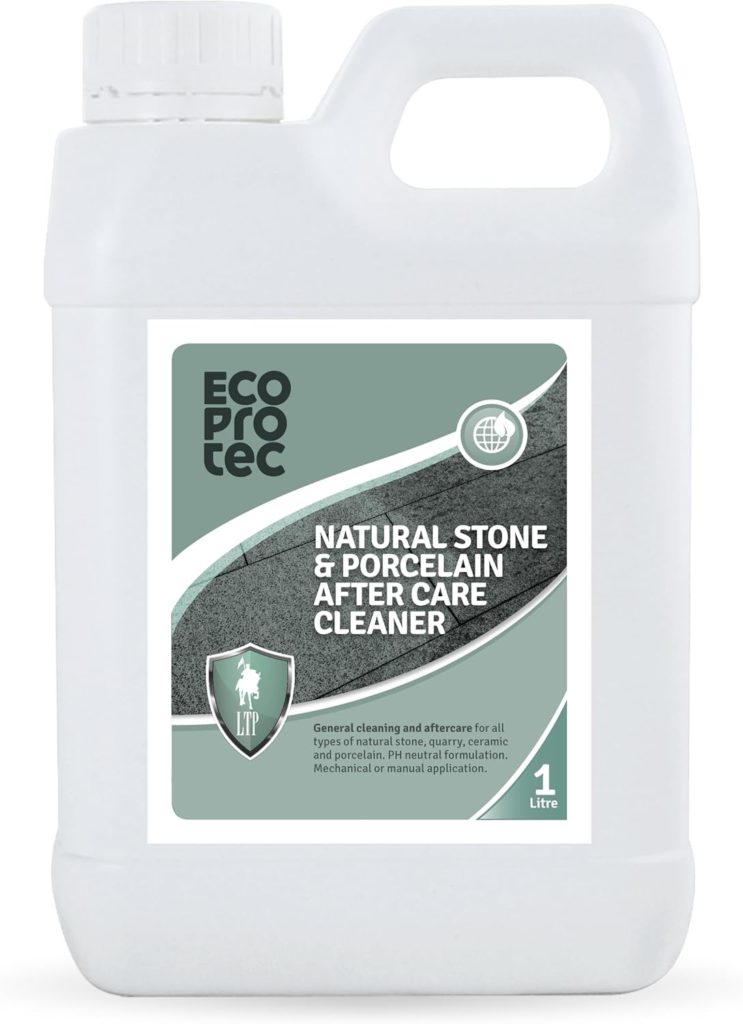
ECOPROTEC Natural Stone & Porcelain Aftercare Cleaner
|
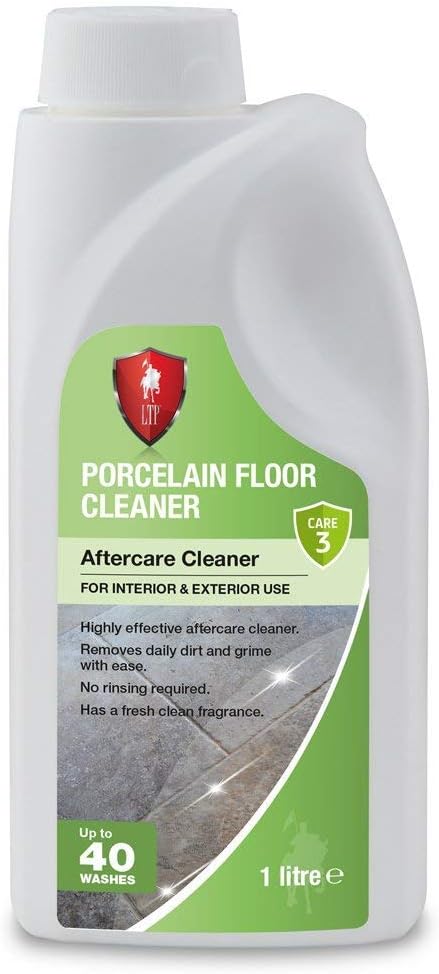
LTP Porcelain Floor Tile Cleaner
|
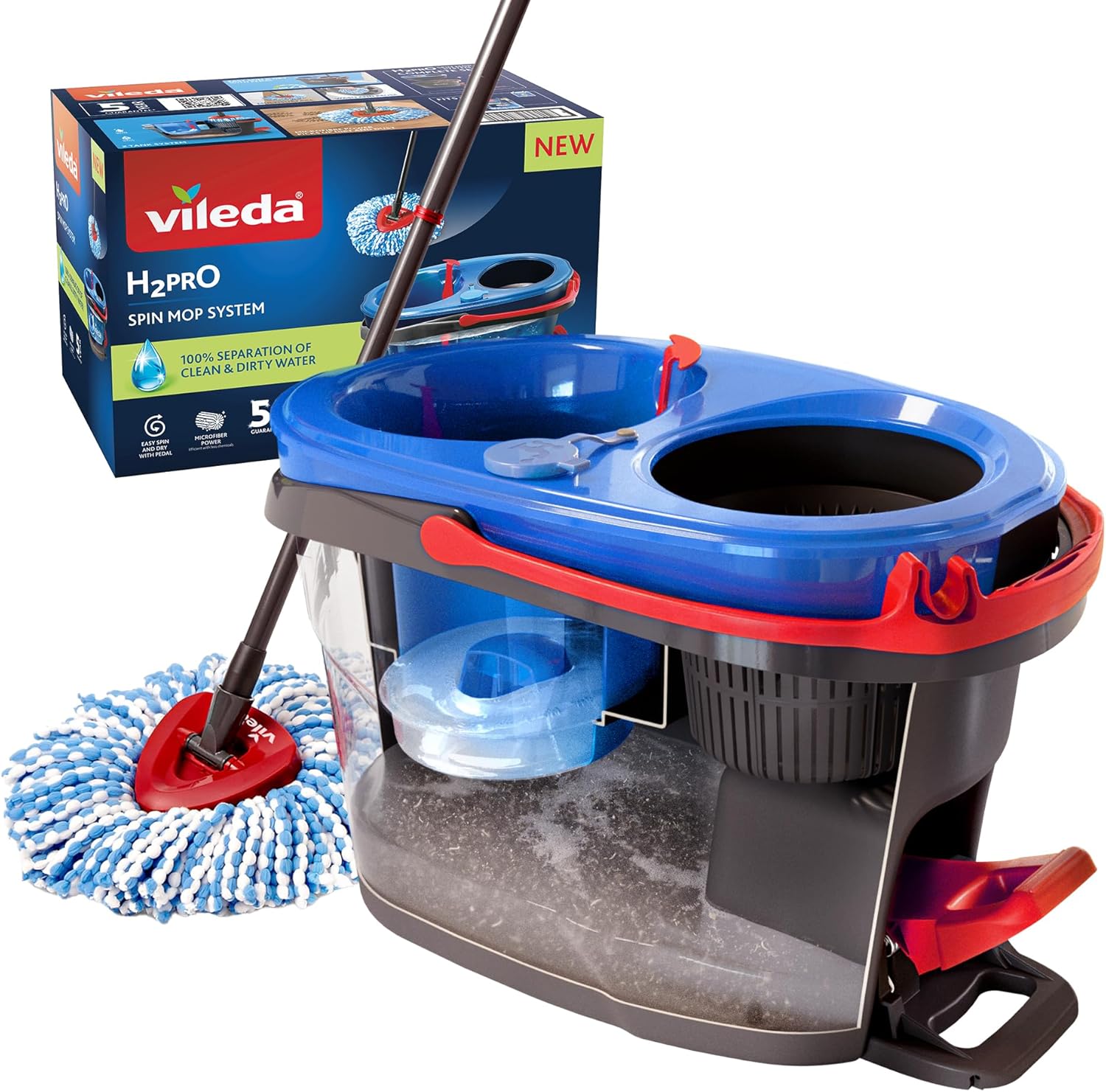
Vileda H2PrO Spin Mop System
|
Discover the Advantages of Opting for Professional Polishing of Your Porcelain Tiles
The multitude of advantages associated with professional porcelain tile polishing makes it a necessary option for homeowners and business owners alike. First and foremost, the aesthetic appeal of polished porcelain tiles sees a remarkable enhancement. A polished surface bounces light effectively, creating a vibrant and airy atmosphere in various environments. This enhancement is especially beneficial in spaces such as kitchens and bathrooms throughout the <a href=”https://london-stone.co.uk/tile-care/quarry-tiles-restoration-services-expert-solutions/”>United Kingdom</a>, where illumination and cleanliness play a crucial role in the overall design and functionality of the space.
Furthermore, polished tiles are considerably easier to maintain. Their smooth surfaces repel dirt and grime, making routine cleaning less laborious and reducing the need for harsh chemical cleaners. This not only saves valuable time but also has a positive impact on the environment. Additionally, the durability of tiles is greatly enhanced through the polishing process, which seals the surface and reduces the likelihood of cracks and chips forming over time due to everyday wear and tear. By investing in <a href=”https://london-stone.co.uk/home-garden/porcelain-tile-repair-near-me-expert-solutions/”>professional porcelain tile polishing</a>, you ensure that your tiles remain in outstanding condition for years to come, thereby adding substantial value to your property.
Recognising the Ideal Time to Polish Your Porcelain Tiles
Determining the right timing for professional porcelain tile polishing is of utmost importance. It is advisable to initiate the polishing process at the first signs of wear, such as dullness or staining. A practical guideline is to observe areas that no longer reflect light as they once did; this loss of shine often indicates that the surface layer may be compromised. Regularly inspecting your tiles, especially in high-traffic areas like hallways and living rooms, will assist you in identifying when it’s time to consider polishing.
In addition to normal wear and tear, various external factors can also dictate when polishing is necessary. Heavy foot traffic, the presence of pets, or the use of harsh cleaning solutions can accelerate the requirement for polishing. Residents in bustling areas, such as <a href=”https://limitsofstrategy.com/london-inspired-hair-treatments-you-should-experience/”>London</a> and other major cities, should remain observant regarding the condition of their tiles. By proactively addressing the need for polishing, you can ensure that your porcelain tiles consistently maintain their pristine appearance, thereby enhancing both your home’s aesthetics and its overall market value.
Crucial Preparatory Steps for Successful Porcelain Tile Polishing
Comprehensive Cleaning Procedures to Undertake Before Polishing
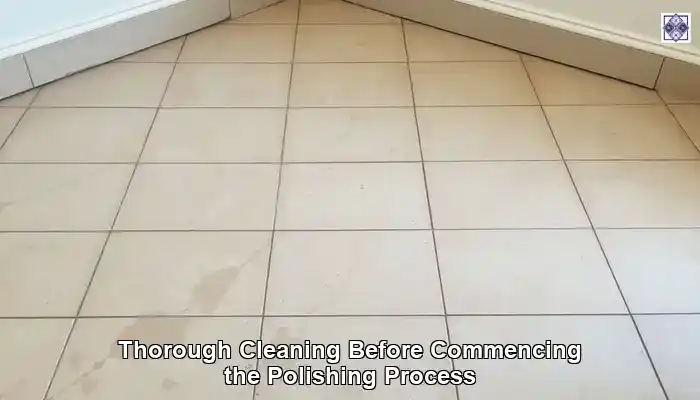
The foremost and most critical step in preparing for professional porcelain tile polishing is ensuring that your tiles are impeccably clean. The build-up of dust, dirt, and grime can severely hinder the polishing process, resulting in unsatisfactory outcomes. Start with a thorough cleaning regimen, using a pH-neutral cleaner specifically designed for porcelain tiles. This step ensures that residues from previous cleaning agents are effectively neutralised, creating optimal conditions for polishing.
Utilising a soft-bristled brush or mop can assist in eliminating stubborn dirt without risking damage to the tile surface. Pay particular attention to corners and grout lines, as these areas often collect more grime. After cleaning, rinsing the tiles with clean water is vital to remove any lingering cleaning solution. Allow the tiles to dry completely before moving on to the next stage; moisture can obstruct the effectiveness of the polishing compounds and tools that will be used subsequently.
Moreover, consider carrying out a meticulous inspection during this cleaning phase. Look for chips, cracks, or discolouration that may need addressing before polishing. By investing time in this preparatory phase, you lay the groundwork for a successful polishing process, ensuring that your tiles achieve that highly sought-after radiant shine.
Essential Tools and Materials for Effective Porcelain Tile Polishing
Equipping yourself with the right tools and materials is essential for achieving remarkable results in professional porcelain tile polishing. The primary tool needed is a high-quality polishing machine, which may differ in size and power depending on the area you intend to cover. For smaller spaces, a handheld machine may be adequate, while larger areas might benefit from a commercial-grade floor polisher.
Polishing pads are indispensable and should be chosen carefully based on the specific needs of your tiles. A standard set will typically include coarse, medium, and fine pads, allowing for incremental refinement of the surface. Coarse pads are crucial for removing deeper scratches and imperfections, while medium pads achieve a more polished finish, and fine pads provide that final glossy touch.
In addition to the polishing machine and pads, you will require high-quality polishing compounds specifically formulated for porcelain tiles. These compounds contain fine abrasives that help achieve a smooth finish. Ensure that you select products compatible with your polishing machine to avoid causing any damage. Lastly, do not underestimate the importance of safety gear, including gloves, goggles, and masks, to protect yourself during the polishing process.
Vital Safety Precautions to Observe During the Polishing Process
Implementing safety measures is essential when undertaking professional porcelain tile polishing. The use of polishing machines and compounds can present risks if not approached with caution. Begin by wearing protective gloves to safeguard your hands from the chemicals found in the polishing compounds. Additionally, wearing goggles is advisable to protect your eyes from dust and debris produced during the polishing process.
Proper ventilation is another crucial consideration. Ensure that the area in which you are polishing is well-ventilated to avoid inhaling any fumes from the polishing compounds. Open windows and doors and consider utilising fans to improve airflow. If working in a confined space, wearing a mask can offer extra protection for your respiratory system against dust and chemical exposure.
By prioritising these precautions, you protect your health while facilitating a smooth and efficient polishing process. This way, you can concentrate on achieving the best possible results for your polished porcelain tiles without unnecessary risks.
Detailed Step-by-Step Instructions for Polishing Your Porcelain Tiles
Beginning the Polishing Process: The Initial Stage
The journey towards achieving breathtakingly polished porcelain tiles begins with the initial polishing stage. This vital step establishes the foundation for a successful polishing operation. Start by selecting a coarse polishing pad, which is crucial for eliminating surface imperfections such as scratches and stains. When commencing, it’s essential to distribute the weight of the polishing machine evenly to prevent creating uneven surfaces.
During this initial phase, it is advisable to work in small sections. This approach allows you to concentrate your efforts and ensure thorough coverage. Operate the machine in a consistent pattern—whether in straight lines or circular motions—according to the design of your polishing pad. This technique guarantees that no areas are overlooked and helps achieve a uniform finish across the tiled surface.
Monitor the tiles closely as you progress; you should see significant improvements as the polishing pad removes imperfections. Once you’ve completed polishing a section, wipe it down with a clean, damp cloth to remove any dust or debris created during the process. This preparatory step is crucial for ensuring a smooth transition into the intermediate polishing stage.
Fine-tuning the Surface During the Intermediate Polishing Stage
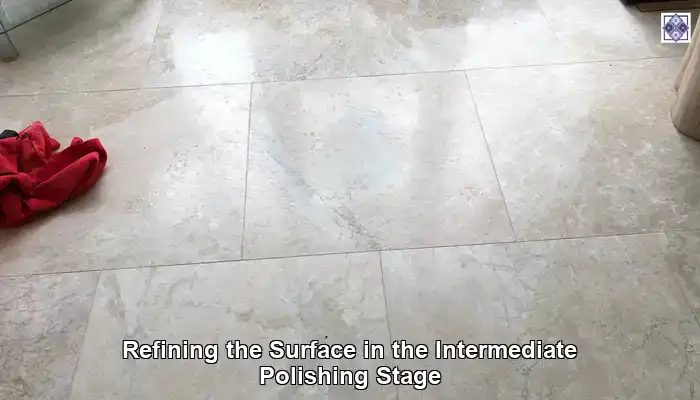
After completing the initial polishing stage, you can move on to the intermediate polishing stage, which focuses on further refining the surface. At this point, it’s time to switch to a medium polishing pad. The goal of this pad is to smooth out the surface and enhance the shine without causing scratches or damage.
As you proceed, apply gentle, steady pressure while moving the polishing machine across the tiles. This stage emphasises finesse; the aim is to create a glossy surface that showcases a captivating sheen. Depending on the condition of your tiles, this stage may require additional time, but the results achieved will be extremely rewarding.
Regularly assess your progress by checking the surface for uniformity. Once any imperfections from the previous stage have been resolved and the tiles appear consistently smooth, you can advance to the final polishing stage. Remember to thoroughly clean the tiles after this intermediate phase to remove any residue left behind, ensuring optimal results in the next step.
Attaining a Perfect Finish in the Final Polishing Stage
The final polishing stage is where the true transformation takes place. With a solid foundation established in the initial and intermediate stages, you will now use a fine polishing pad to achieve that high-gloss finish that epitomises professional porcelain tile polishing. During this stage, it’s crucial to apply minimal pressure, allowing the fine pad to work effectively without risking scratches or damage to the surface.
As you embark on this stage, pay close attention to the machine’s speed. Slower speeds often yield better results when using fine pads, as they facilitate more controlled polishing of the surface. Move methodically across the tiles, ensuring you cover every inch without overlapping, as overlapping can lead to uneven patches.
Once you’ve polished the entire area, take a moment to assess your work. The tiles should now be gleaming, reflecting light beautifully. In some cases, you may wish to revisit particularly dull spots for an additional touch. This is your last chance to achieve perfection before transitioning to the cleaning and inspection stage, where any polishing residue will be removed.
Cleaning and Inspecting Your Newly Polished Tiles: Critical Steps
After achieving that stunning, polished look, the next essential step is cleaning and inspecting your tiles. This stage serves two main purposes: removing any remaining polishing residue and examining the surface for imperfections that may need addressing. Start by wiping down the freshly polished tiles with a clean, damp cloth or mop to eliminate any dust and residue left from the polishing compounds. This step is vital, as it ensures that leftover particles do not diminish the gloss achieved during polishing.
Once the tiles have been cleaned, take the time to inspect them thoroughly. Look for areas that may require additional attention, such as those that may not have received sufficient polishing or that show visible scratches. Conducting this inspection in a well-lit environment will help you identify inconsistencies more easily. It is crucial to address these issues before finalising the process, as they can detract from the overall finish.
If everything meets your expectations, you can confidently proceed to the sealing and protection stage, where you will add an extra layer of protection to your beautifully polished tiles, ensuring they retain their shine for an extended period.
Sealing and Protecting Your Polished Tiles for Lasting Brilliance
The sealing and protection stage acts as the final touch in the professional porcelain tile polishing process, ensuring that your tiles are not only visually stunning but also well-protected against future wear and tear. Applying a high-quality sealant is essential; this serves as a barrier, safeguarding the polished surface from stains, dirt, and moisture. A suitable sealant will enhance and preserve the shine achieved during the polishing process, making ongoing maintenance considerably simpler.
To apply the sealant, ensure that the tiles are clean and dry. Using a soft applicator or cloth, evenly distribute the sealant across the tile surface, working in sections to achieve comprehensive coverage. Follow the manufacturer’s instructions regarding drying time and the number of coats required for optimal protection. A well-sealed surface will prevent discolouration and keep your tiles looking spectacular for many years to come.
Additionally, consider selecting a sealant with water-repellent properties, as this will further protect against moisture-related issues, such as mould or mildew, which can be particularly problematic in humid areas like bathrooms. By meticulously completing this stage, you ensure the longevity of your polished porcelain tiles, allowing them to remain a beautiful feature of your home.
Conquering Common Challenges in Porcelain Tile Polishing
Effective Techniques for Tackling Stubborn Stains on Your Tiles
Stubborn stains on porcelain tiles can present a significant challenge when striving for an immaculate polished finish. For particularly tough stains, it is essential to use a stain remover specifically formulated for porcelain tiles. These specialised products are designed to penetrate the surface and dissolve the substances responsible for the stains without causing harm to the tiles.
Before commencing the polishing process, apply the stain remover according to the manufacturer’s instructions. Allow it to sit for the recommended duration, which may vary based on the severity of the stain. Afterward, use a soft cloth or sponge to gently scrub the area, taking care to avoid scratching the tile surface. Rinse thoroughly with water to ensure that no residue remains, as this could interfere with the polishing procedure.
If stains persist despite using a dedicated remover, seeking professional assistance may be necessary. An expert in professional porcelain tile polishing will have access to powerful cleaning agents and techniques capable of effectively eliminating stubborn stains, ensuring your tiles are in pristine condition before polishing.
Addressing Uneven Tile Surfaces: Effective Solutions
Uneven surfaces on porcelain tiles can complicate the polishing process, resulting in inconsistent outcomes. Before proceeding with professional porcelain tile polishing, it is crucial to assess the surface for any irregularities. If you detect unevenness, a leveling compound can be employed to rectify these issues.
Applying a leveling compound involves mixing the product according to the manufacturer’s guidelines and then evenly spreading it over the affected areas. This procedure ensures that your tiles provide a flat and stable surface for the subsequent polishing stages. Once applied, allow the compound to cure completely before moving on to cleaning and polishing.
Remember that addressing uneven surfaces may require some time; however, the effort invested will be worthwhile in the long run. A level surface facilitates a more effective polishing process, resulting in a significantly more aesthetically pleasing finish that highlights the beauty of your porcelain tiles.
Preventing Scratches During the Polishing Process: Key Techniques
The concern of scratches during the professional porcelain tile polishing process is common among many homeowners. To mitigate the risk of scratches, it is vital to select the appropriate polishing pad. Ensure that the pad used is suitable for the hardness of your porcelain tiles. Choosing a pad that is too abrasive for the tile’s surface can lead to unsightly scratches that detract from the polished finish.
While operating the polishing machine, apply gentle, consistent pressure. Avoid exerting excessive force, as this can lead to scratches and uneven results. It is also advisable to manoeuvre the machine at a steady pace, adequately covering each area without lingering too long in one spot. This technique minimises the risk of causing damage while ensuring effective polishing.
After the polishing process, conduct a thorough inspection of the tiles before sealing them. If any scratches are detected, consider addressing these areas with a finer polishing pad to further refine the surface. By implementing these precautions, you can effectively prevent scratches and achieve a beautifully polished appearance without compromising the integrity of your tiles.
Eliminating Grout Haze for a Pristine Finish: Effective Methods
Grout haze can often pose an unwelcome challenge when it comes to the finishing touches on porcelain tiles, especially following installation or maintenance. The fine residue left behind can significantly dull the appearance of polished tiles, making it imperative to tackle this concern before embarking on professional porcelain tile polishing. One effective method for removing grout haze is by using a specially formulated grout haze remover.
Begin by applying the grout haze remover in accordance with the manufacturer’s guidelines. Typically, this involves applying the solution to the affected areas and allowing it to sit for a specified duration. After the designated time, use a soft cloth or sponge to gently scrub the haze away. Rinsing with clean water is essential to ensure that no residue remains, as this could interfere with polishing efforts.
In situations where grout haze proves particularly stubborn, a mixture of water and vinegar can serve as an effective alternative. However, it’s crucial to test this solution on a small, inconspicuous area first to ensure it does not adversely affect the tile surface. By diligently removing grout haze, you significantly improve the chances of achieving that desired polished look on your porcelain tiles.
Managing Water Spots on Porcelain Tiles: Critical Steps
Water spots on porcelain tiles can be unsightly and detract from the overall polished appearance of the tiles. Therefore, addressing these water spots before undertaking professional porcelain tile polishing is essential. Start by ensuring that the surface is thoroughly dried after cleaning, as any moisture left behind can lead to the formation of water spots during polishing.
If you encounter persistent water spots, consider using a dedicated water spot remover. These products are specifically formulated to break down the mineral deposits responsible for spotting. Apply the remover according to the manufacturer’s instructions, allowing it to sit as directed before wiping it away with a clean, soft cloth.
For those who prefer a more natural approach, a mixture of equal parts vinegar and water can be effective in removing water spots. However, always remember to test this solution on a small area first to ensure compatibility with your tiles. By effectively managing water spots, you will enhance the preparation process and achieve a more brilliant, polished finish.
Best Practices for Sustaining Your Beautifully Polished Porcelain Tiles
Implementing Regular Cleaning Techniques for Longevity
To maintain the stunning appearance of your polished porcelain tiles, adhering to a regular cleaning routine is imperative. The most effective practice is to utilise pH-neutral cleaners, specifically formulated for porcelain. These cleaners effectively eliminate dirt and grime without compromising the integrity of the polished surface. Avoid harsh cleaners containing acids or strong alkaline substances, as these can dull the finish over time.
Utilising a soft cloth or a microfiber mop will help lift dirt without scratching the tiles. Regular sweeping or vacuuming is also highly recommended to prevent dirt accumulation, which could potentially scratch the surface when mopped. For deeper cleans, employing a damp mop with the appropriate cleaner will significantly assist in preserving your polished tiles’ shine.
Moreover, remain vigilant about spills, particularly from acidic substances like vinegar or fruit juices. Promptly cleaning these spills will prevent staining and help maintain the polished appearance. By adopting these regular cleaning techniques, you’ll ensure your porcelain tiles remain as beautiful and vibrant as the day they were polished.
Strategies to Prevent Damage to Your Polished Tiles
Preventing damage to your polished porcelain tiles is crucial for maintaining their pristine condition. One effective method is to place mats at entrances to your home, as these will trap dirt and debris before it can scratch the tile surface. Encourage guests to wipe their shoes or remove them entirely to further limit the amount of dirt brought into the house.
Additionally, using furniture pads beneath table and chair legs can protect your polished tiles from scratches caused by movement. When relocating furniture, always lift it instead of dragging it across the floor, as dragging can cause significant damage to the polished surface.
In high-traffic areas, consider rotating furniture periodically to prevent uneven wear and tear. Regular maintenance, combined with these proactive measures, will significantly extend the life of your polished porcelain tiles, ensuring they remain a striking feature of your home.
Recognising When to Repolish Your Tiles for Optimal Appearance
Even the most beautifully polished porcelain tiles will require repolishing over time, particularly in high-traffic areas. The most reliable indicator that your tiles need repolishing is a noticeable loss of shine or the emergence of scratches or dull patches. Typically, repolishing is recommended every few years, although this may vary based on usage, maintenance, and the specific type of porcelain tile.
Conducting regular inspections will aid you in determining the optimal time for repolishing. Look for signs such as decreased reflectiveness or a rough texture when you run your hand over the surface. Furthermore, if cleaning efforts are no longer effective or you find that stains become increasingly difficult to remove, it’s likely time to consider repolishing.
By prioritising polishing as part of your maintenance routine, you can extend the lifespan of your porcelain tiles and keep them looking their best for many years to come. A well-maintained, polished tile not only serves an aesthetic purpose but also enhances the overall value of your home.
Important Considerations When Choosing a Professional Polishing Service
Key Factors to Assess in a Service Provider
When selecting a professional polishing service for your porcelain tiles, several key factors should inform your decision. Firstly, seek a service provider with extensive experience in professional porcelain tile polishing. An experienced company will have a proven track record and the necessary skills to deliver high-quality results.
Customer reviews are invaluable when evaluating potential service providers. Look for testimonials that highlight the quality of work, attention to detail, and overall client satisfaction. Additionally, consider requesting recommendations from friends or family who have undergone similar work; personal experiences can often provide insights that online reviews might not capture.
It is also crucial to verify that the company is licensed and insured. This protects you in the event of any accidents or damages that may occur during the polishing process. By dedicating time to research and selecting the right provider, you can ensure a positive experience and stunning results for your porcelain tiles.
Essential Questions to Pose Before Engaging a Service
Before committing to a professional polishing service, it’s essential to ask a few critical questions to ensure that they meet your specific needs. Start by inquiring about their polishing process. Understanding the steps they take, the tools they use, and the products they apply will instil confidence in their expertise.
Additionally, ask about the specific products they use for polishing. High-quality compounds can significantly influence the outcome. Knowing whether they utilise eco-friendly, pH-neutral products can also impact your decision, particularly if you have concerns regarding environmental effects.
Do not hesitate to inquire whether they offer guarantees on their work. A reputable service provider should stand firmly behind their results and provide a warranty that covers any issues that may arise post-polishing. By asking these questions, you’ll gain a clearer understanding of the service and be better equipped to make an informed decision.
Understanding the Pricing Structure of Polishing Services
Grasping the cost structure of professional porcelain tile polishing services is essential for effective budgeting. Prices can vary widely based on factors such as the size of the area to be polished, the condition of the tiles, and the specific services provided. Typically, companies may charge per square foot, so it’s advisable to obtain multiple quotes for comparison.
Be sure to inquire about what is included in the quoted price. Some companies may offer comprehensive packages that encompass cleaning, polishing, and sealing, while others may charge separately for these services. It’s crucial to understand what you’re paying for to avoid any surprises.
Moreover, consider the long-term value of investing in professional polishing services. While the initial costs may seem significant, the benefits of maintaining your tiles—such as extended longevity, reduced maintenance, and improved aesthetics—can justify the expense. By understanding cost considerations, you can make an informed choice that aligns with your budget and expectations for your porcelain tiles.
Commonly Asked Questions Regarding Porcelain Tile Polishing
What is the best method for cleaning polished porcelain tiles?
The most effective method for cleaning polished porcelain tiles is to utilise a pH-neutral cleaner with a soft cloth or a microfiber mop to prevent scratching the surface. Regular sweeping or vacuuming is also advised to minimise dirt accumulation.
How frequently should I polish my porcelain tiles?
It is advisable to consider polishing your porcelain tiles every few years, particularly if they exhibit signs of dullness or wear. Regular inspections will help determine the optimal timing for repolishing.
Is it safe to use vinegar for cleaning polished porcelain tiles?
While vinegar can be effective for cleaning, it’s best to avoid its use on polished porcelain tiles, as it may dull the finish. Opting for a pH-neutral cleaner is advisable instead.
What should I do if my porcelain tiles are scratched?
If your porcelain tiles exhibit scratches, consider employing a finer polishing pad to refine the surface. For deeper scratches, consulting a professional polishing service may be necessary.
Is investing in professional polishing worth the cost?
Professional polishing is worth the expense as it enhances the aesthetics, durability, and longevity of your porcelain tiles, making them easier to maintain while preserving their value.
Can I polish porcelain tiles myself?
While it is possible to polish porcelain tiles on your own, hiring a professional guarantees optimal results, especially for larger areas or tiles that show significant wear and tear.
How can I prevent water spots from forming on my porcelain tiles?
To prevent water spots, ensure that the surface is thoroughly dried after cleaning and consider using a water spot remover if necessary. Maintaining a regular cleaning schedule will also help minimise their occurrence.
What type of sealant is best for polished porcelain tiles?
Select a high-quality sealant specifically designed for porcelain tiles. Look for products with water-repellent properties to enhance protection against moisture and staining.
How do I choose the exemplary polishing service for my tiles?
When selecting a polishing service, prioritise experience, positive customer reviews, and a clear understanding of their process. Asking questions will ensure they meet your specific needs.
What are the signs that my polished porcelain tiles need cleaning?
Signs that your polished porcelain tiles require cleaning include visible dirt buildup, dullness, or difficulties in removing stains. Regular maintenance will help keep them looking their best.
The Article Professional Porcelain Tile Polishing: Expert Techniques first found on https://london-stone.co.uk
The Article Porcelain Tile Polishing: Techniques from the Professionals appeared first on https://fabritec.org
The Article Porcelain Tile Polishing Techniques from Expert Professionals Was Found On https://limitsofstrategy.com
The Article Porcelain Tile Polishing Techniques by Expert Professionals found first on https://electroquench.com



The insights you shared on polishing porcelain tiles are incredibly resonant, particularly in a time when home aesthetics and maintenance are gaining prominence. I’ve often found that while many homeowners recognize the need for regular upkeep, the specific benefits of polishing can sometimes be overlooked.