Deciding between epoxy and cement grout is a crucial choice that can significantly impact your everyday maintenance. The grout you select for your shower today will be the same one you find yourself scrubbing, lamenting over, or needing to replace in just three to five years. Choosing incorrectly can lead to the hassle and expense of regrouting sooner than anticipated.
With more than a decade of hands-on experience in regrouting Sydney showers, we aim to provide a comprehensive and insightful comparison of these two grout types. In the following sections, you will uncover the unique benefits and features of each option, the optimal contexts for their use, cost comparisons, and our expert recommendations based on extensive practical knowledge.
In-Depth Comparison of Features: Epoxy Grout Versus Cement Grout
| Feature | Epoxy Grout | Cement Grout |
| Stain Resistance | Exceptional — nearly non-porous and highly resistant to staining | Poor — readily absorbs stains, especially in shower environments |
| Mould Resistance | Outstanding — effectively prevents mould growth | Moderate — porous surface encourages mould development |
| Lifespan in a Wet Area | 15–20 years before any need for regrouting | 5–8 years before noticeable staining and deterioration occur |
| Cleaning Ease | Simple — usually requires just water and a soft cloth | Labour-Intensive — necessitates bleach, vigorous scrubbing, and frequent sealing |
| Initial Installation Cost | Higher (involves specialised products and skilled installation) | Lower (DIY-friendly with more affordable materials) |
| DIY-Friendliness | No — requires professional expertise for precise application | Yes — manageable for most homeowners |
| Colour Options | Extensive — includes vibrant blacks that retain their colour, metallics, and even glitter finishes | Limited — primarily neutral shades that fade and stain over time |
| Best Application | Showers, splashbacks, wet floors, and family bathrooms | Dry areas, low-traffic tiles, and budget-conscious renovations |
For shower regrouting, epoxy grout is almost always the superior choice. If you are managing a guest powder room with minimal foot traffic, cement grout could serve as a reasonable alternative.
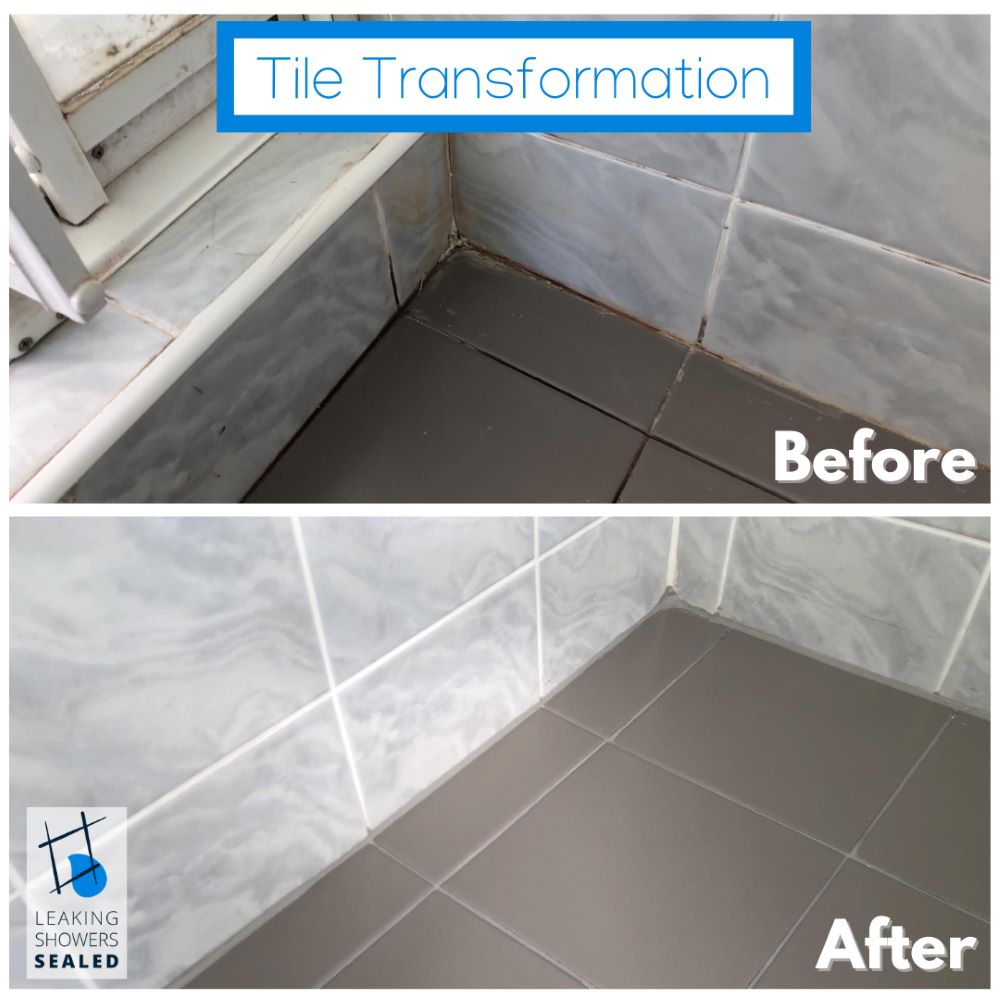
Durability Analysis: The Benefits of Selecting Epoxy Grout
The primary drawback of cement grout lies in its porous nature. Water can infiltrate its surface, leading to mould growth, staining, and eventual degradation. Common cleaning products such as bleach, vinegar, and various commercial cleaners can further accelerate the breakdown of the grout. Each cleaning session incrementally reduces its structural integrity.
Conversely, epoxy grout is designed to be non-porous, meaning water merely pools on its surface, making stains easy to wipe away and preventing mould establishment. Typically, a soft cloth and warm water are sufficient to keep it looking fresh, ensuring it maintains its new appearance long after installation.
The difference in durability is striking:
- Cement grout in a shower: typically lasts around 5–8 years before showing signs of staining, chipping, and loss of integrity, which can lead to leaks.
- Epoxy grout in a shower: usually provides 15–20 years of reliable, clean performance without the need for immediate regrouting.
This durability is the reason we consistently advocate for epoxy grout in every regrouting project managed by Leaking Showers Sealed.
Cost Considerations: Understanding Your Investment
At first glance, cement grout may seem like the more budget-friendly option. The cost of epoxy is generally higher, both for the product itself and the skilled labour required, as its proper application demands expertise.
Below are the estimated costs for a standard shower regrouting in Sydney (covering one shower, including complete removal and replacement):
- Cement grout regrouting: starts at approximately $1,200 — but expect to incur this expense again within 5–8 years.
- Epoxy grout regrouting: begins at around $3,800 — offering a lifespan exceeding 15 years.
When evaluating a 15-year timeframe, epoxy regrouting proves to be the more economical choice. While cement grout may initially appear to be a cost-effective option, it often becomes more expensive over time, particularly if you plan to remain in your home for an extended period.
(Please note: every project is unique — various factors such as corner showers, large frameless enclosures, or tiles that require replacement alongside the regrouting will affect the final quote. We provide transparent pricing after performing an on-site evaluation rather than offering estimates over the phone.)
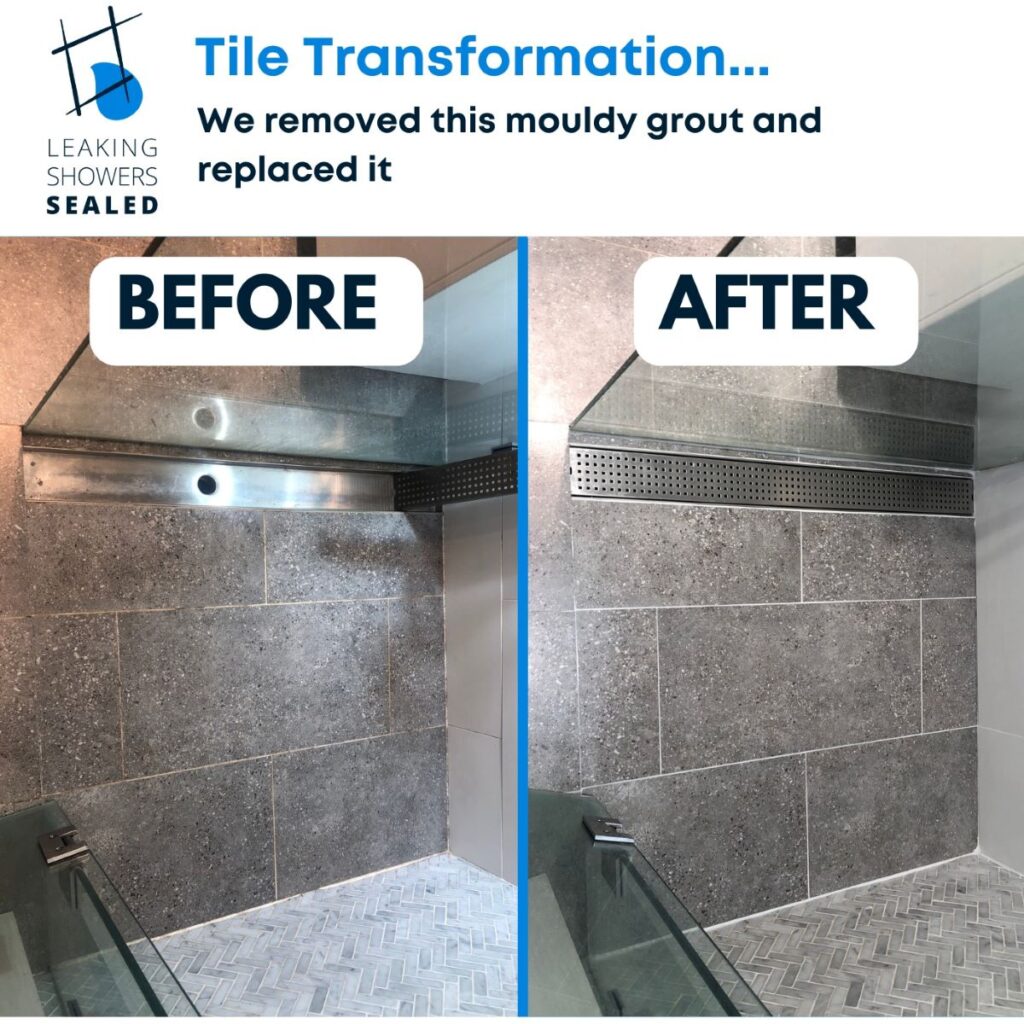
Installation and Cleanup Expectations: What You Should Know
This is where many homeowners mistakenly believe a DIY approach is feasible.
Cement grout is generally straightforward to apply. The process involves mixing it, pressing it into the joints, and wiping away any excess. The challenge arises the next day when fine cement dust, often called grout haze, covers every tile, screen, and surface. Removing this haze requires a specialised cleaner or vinegar to be effective. Many DIY enthusiasts underestimate the effort involved in this cleanup task.
In contrast, epoxy grout poses a greater challenge during application due to its rapid curing time and less forgiving nature, which necessitates a shorter working window. the cleanup is significantly easier. There is no haze or dust left behind, allowing us to finish the job and leave a shower that can be used the very next day, with tiles appearing as pristine as the day they were installed.
If you plan to tackle the project yourself, cement grout may seem like the more manageable option. If you are hiring a professional, ensure you select someone experienced in applying epoxy grout.
Exploring Colour and Design Choices: Aesthetic Considerations
Cement grout is available in a limited range of neutral colours, such as beige, grey, off-white, and sandstone. Unfortunately, these hues tend to fade, stain, and develop efflorescence (the white powdery deposits that can appear on grout lines). After just two years, the visual appeal of the grout can diverge significantly from its initial installation.
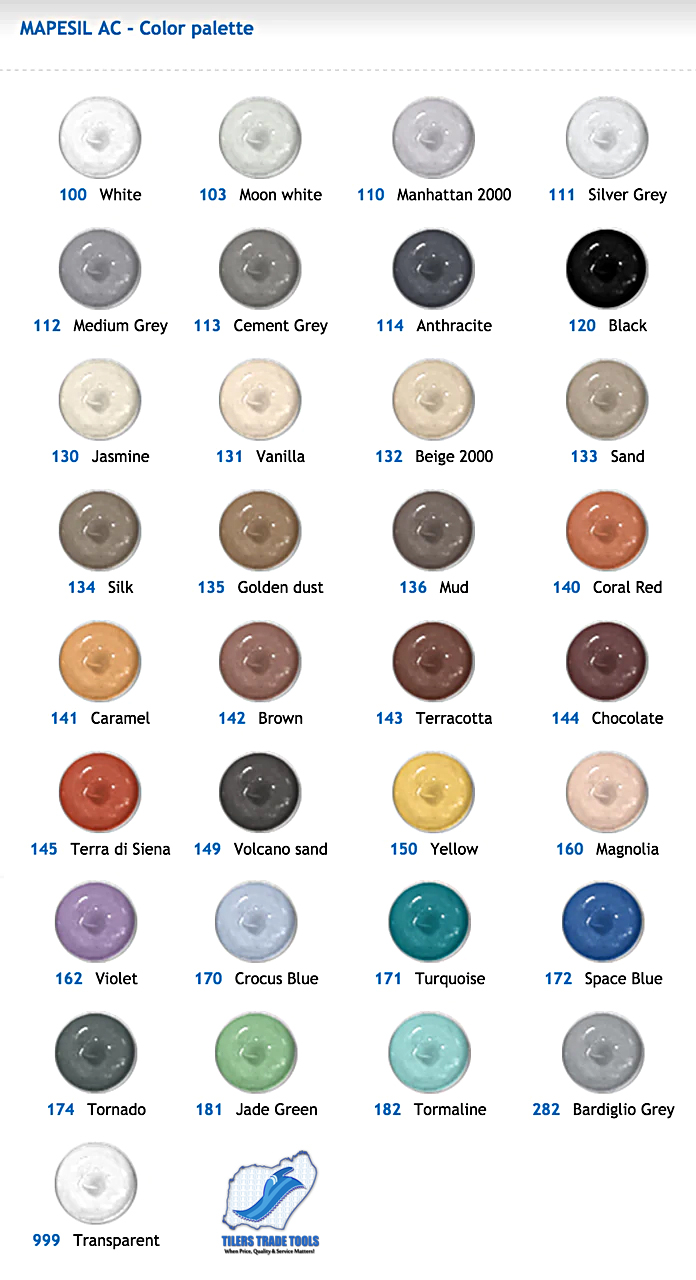
In stark contrast, epoxy grout offers a far wider array of colours, including:
- Deep blacks that retain their hue (no fading)
- True whites that resist yellowing or staining
- Metallics — such as gold, silver, and copper
- Even glitter finishes for a unique touch
If you are seeking a specific finish, such as Hamptons white or a striking dark contrast grout for white subway tiles, epoxy grout is the only option that will maintain those desired colours over the long term.
Identifying Appropriate Scenarios for Cement Grout Utilisation
While we primarily use epoxy grout for nearly every regrouting project, certain circumstances make cement grout a suitable choice:
- Only for Dry Areas — appropriate for feature walls, areas with minimal water exposure, and exterior tiling.
- Low-Traffic or Infrequently Used Bathrooms — ideal for guest powder rooms and holiday homes.
- Budget-Friendly Renovations for homes expected to be sold within three years — cement grout can help achieve your renovation goals.
- Historical Restorations where cement matches the original materials used in construction.
If a tradesperson suggests that cement grout is suitable for your main shower solely based on cost, ask how often they have had to return to regrout that shower five years later.
Mastering the Epoxy Regrouting Process: A Comprehensive Step-by-Step Guide
We receive numerous inquiries about the regrouting process. Here is a succinct summary:
- We begin by removing the existing cement grout — typically using a specialised tool to avoid damaging the tiles.
- Next, we thoroughly clean and dry the joints to prepare for the new grout.
- We mix and meticulously apply the epoxy grout to ensure an even and effective application.
- While the epoxy remains workable, we clean the tiles to prevent any residue.
- The shower will be ready for use the following day, allowing for minimal downtime.
Most shower regrouting projects take only half a day on-site. There is no need for demolition, tile replacement, or waiting for waterproofing to cure. The process is significantly less disruptive than many homeowners expect.
Your Queries Addressed: Frequently Asked Questions About Grout
Will Epoxy Grout Develop Cracks Over Time?
When installed correctly within a stable shower environment, epoxy grout should remain crack-free. Cracking usually occurs due to movement in the substrate beneath (such as settling floors, shifting walls, or structural changes). In such cases, no type of grout can withstand the pressure — addressing the underlying movement is essential rather than merely regrouting.
Can I Select Epoxy Grout in Any Colour?
<pCertainly! We offer an extensive range of colours, including custom metallic and glitter finishes. Our team will showcase the full colour spectrum during your site assessment.
Is Epoxy Grout Safe to Use? I’ve Heard It Contains Chemicals.
Once cured (after approximately 24 hours), epoxy grout becomes inert and is safe for everyday use — there is no off-gassing, chemical leaching, or health concerns. While we are applying it, our team wears appropriate protective gear due to irritants in the uncured material. You do not need to be present during our work.
Can You Apply Epoxy Grout Over Existing Cement Grout, or Must It Be Removed First?
The old grout must be entirely removed. You cannot apply epoxy over cement grout and expect it to adhere correctly — it will fail within months. Proper regrouting always requires the complete removal of the old material first.
Will the Regrouting Process Address My Leaking Shower?
If the leak originates from the grout joints (the most common issue in showers older than five years), then yes, regrouting will effectively resolve it. If the leak is due to a cracked tile, a failed waterproofing membrane behind the tiles, or a plumbing issue, regrouting will not remedy the problem — we will inform you of this during our site visit before proceeding with any work.
How Long Does the Regrouting Process Typically Take?
For a standard shower, the regrouting process usually takes approximately half a day. The shower will be ready for use the very next day, reducing inconvenience.
Seeking Expert Guidance for Your Shower Project?
If you are unsure whether to choose epoxy or cement grout in your bathroom — or if you have a shower that has been regrouted previously and are puzzled about why it failed — we will visit your location, assess the situation, and provide you with clear, honest advice on what will work effectively and what may not.
We proudly serve the Sydney North Shore, Hills District, North Richmond, and the Hawkesbury region. Feel free to contact us at 1300 815 512 or request a free quote today.
Original Article First Published At: Epoxy Grout vs Cement Grout: An Honest Comparison from a Sydney Regrouter
The Article: Epoxy Grout vs Cement Grout: Insights from a Sydney Expert first appeared on https://writebuff.com
The Article Epoxy Grout Insights from a Sydney Expert on Cement Grout Was Found On https://limitsofstrategy.com
The Article Epoxy Grout Tips from a Sydney Cement Grout Specialist found first on https://electroquench.com