Enhance Your Water Management Skills by Mastering Advanced Rainwater Harvesting Techniques
Exploring the Significance of Rainwater Harvesting for Effective Water Conservation

rainwater harvesting is the deliberate collection and storage of rainwater, predominantly gathered from rooftops and other appropriate surfaces, for a variety of beneficial uses. This eco-friendly technique not only helps in conserving precious water resources but also reduces reliance on traditional water supplies, which is particularly crucial in regions facing water scarcity. By efficiently capturing rainwater, communities can enhance their water supply systems and alleviate the negative impacts of droughts and inconsistent water availability. The process of capturing rainwater starts during rainfall, directing the water into a specific collection system. This stored water can later be used for numerous purposes, including irrigation, drinking, and industrial activities. The worldwide trend of adopting rainwater harvesting continues to rise as more individuals recognise its essential role in resource conservation and fostering sustainable living practices.
The process of Rainwater harvesting begins with the onset of rainfall, which is then redirected into a specialised collection system designed for optimal capture. The stored water can then be utilised in various applications, such as garden irrigation, permitted drinking, and industrial activities. The growing global acceptance of rainwater harvesting systems signals a societal shift towards embracing sustainability and effective resource management, underscoring a collective commitment to environmentally responsible practices.
Uncovering the Diverse Benefits of Embracing Rainwater Harvesting
The advantages of rainwater harvesting extend far beyond simple water conservation, encompassing a broad spectrum of economic, environmental, and social benefits. To begin with, this practice can lead to substantial reductions in water costs, especially in urban settings where municipal water prices can be exorbitantly high. By using collected rainwater for non-potable applications such as landscape irrigation and toilet flushing, both households and businesses can significantly lessen their dependence on municipal water supplies, resulting in notable financial savings.
Moreover, the environmental sustainability fostered by rainwater harvesting is impressive. This practice plays a pivotal role in replenishing local groundwater resources, managing stormwater runoff, and lessening erosion and flood risks in urban settings. These ecological benefits contribute to healthier ecosystems and bolster local biodiversity. Additionally, during drought periods, having a reliable self-sufficient water supply instils confidence and strengthens communities against the uncertainties posed by climate change.
Exploring Effective Rainwater Collection Techniques for Varied Environments
Numerous methods exist for rainwater harvesting, each offering unique advantages tailored to specific environmental conditions. One of the most common techniques is the rooftop collection system, which captures rainwater from building rooftops via gutters and downspouts. This method is particularly efficient in urban areas, where extensive roofs can gather substantial amounts of rain. Alternatively, ground catchments can be utilised, making use of expansive surface areas to collect water from the ground, thus rendering this approach more suitable for rural settings.
Additionally, rainwater collection can be effectively performed from paved surfaces, allowing urban areas to reroute stormwater into storage systems. Each collection method has its own unique considerations, including costs, maintenance requirements, and compliance with local regulations. A comprehensive understanding of these methods enables the selection of a technique that aligns with the specific needs and conditions of the location, ensuring optimal functionality and efficiency.
Utilising Collected Rainwater for Diverse Applications Across Various Settings
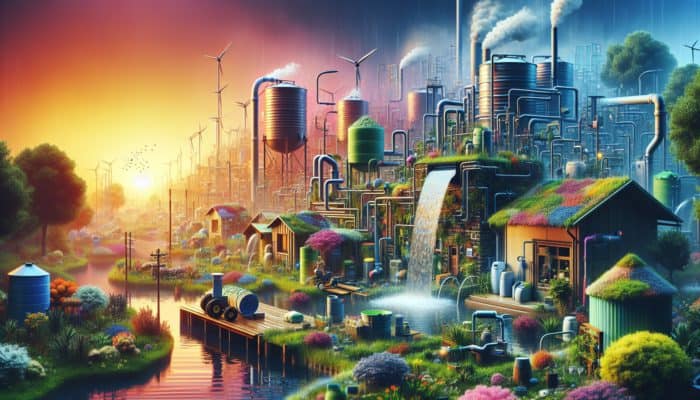
The potential uses of rainwater harvesting are vast and versatile, serving multiple functions across different environments. In residential settings, harvested rainwater can be applied for irrigation, toilet flushing, and laundry, thus encouraging sustainable water consumption in everyday life. In commercial contexts, businesses can establish systems that reduce water costs and enhance their sustainability efforts by using rainwater for landscape maintenance or even for cooling systems in industrial operations.
Agricultural applications of rainwater harvesting hold particular significance within global water management strategies. Farmers can utilise collected rainwater for crop irrigation, especially in drought-prone regions, thereby enhancing crop resilience while reducing dependence on over-exploited groundwater sources. The adaptability of rainwater harvesting demonstrates its critical role as a sustainable solution to various water-related challenges encountered by society.
Delving into the Operational Mechanics of Rainwater Harvesting Systems
Essential Components for an Efficient Rainwater Harvesting System
A standard rainwater harvesting system comprises several fundamental components that work in concert to ensure effective collection, storage, and utilisation of rainwater. The first component is the gutter and downspout system, which directs rainwater from rooftops into a designated storage tank. The correct design and strategic placement of these components are crucial for maximising water collection while minimising risks of contamination.
Following this, the storage tank serves as a reservoir for the accumulated rainwater, allowing users to access it as needed. Filtration systems are vital for maintaining water cleanliness and safety, effectively removing debris, leaves, and other contaminants before the water enters the storage tank. Finally, the distribution network, encompassing pipes and valves, facilitates the delivery of harvested rainwater to various applications, such as irrigation or household uses. Each component must be meticulously selected and maintained to optimise the overall efficiency and functionality of the system.
A Comprehensive Step-by-Step Guide to Installing a Rainwater Harvesting System
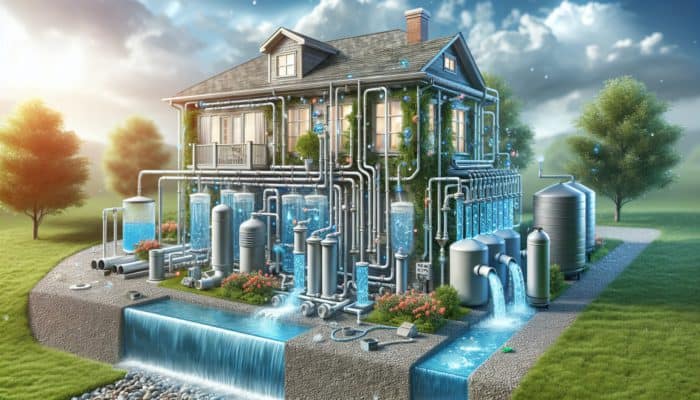
Installing a rainwater harvesting system entails several crucial steps that ensure its effectiveness and longevity. The first step involves conducting a thorough site evaluation, assessing factors such as roof area, rainfall patterns, and the intended uses for the collected water. Based on this assessment, appropriate components must be selected, including gutters, storage tanks, and filtration systems.
- Conduct a comprehensive site assessment to identify the most effective collection methods.
- Select components that are suitable for local conditions and specific requirements.
- Install gutters and downspouts to efficiently channel rainwater into collection tanks.
- Establish a filtration system to guarantee water purity before storage.
- Position storage tanks for convenient access and easy maintenance.
- Connect the distribution network to ensure effective utilisation of harvested water.
- Conduct a system test post-installation to identify any leaks or potential issues.
Engaging professional installation services can greatly enhance system performance, ensuring that all components function seamlessly and cohesively. Following installation, educating users about system maintenance is crucial to ensure maximum efficiency and longevity over time.
Ensuring Longevity: Essential Maintenance Practices for Rainwater Harvesting Systems
Regular maintenance is vital for preserving the durability and efficiency of rainwater harvesting systems. This includes routine inspections and cleaning of gutters and downspouts to prevent blockages caused by debris, leaves, or sediment. A well-maintained collection system significantly enhances both the quality and quantity of harvested water.
In addition to routine cleaning, inspecting the filtration system is imperative. Filters should be replaced or cleaned regularly to prevent contamination of stored water. Monitoring storage tanks for any signs of damage or contamination is also essential, with water quality testing recommended to ensure safety for the intended applications. Establishing a maintenance schedule and diligently recording activities can facilitate the early identification of issues, ensuring the system operates at peak performance.
Expert Insights on Best Practices for Rainwater Harvesting
Professional Recommendations for Ensuring the Quality of Harvested Rainwater
To ensure the safety and usability of harvested rainwater, experts recommend regular water quality testing. This practice is essential for detecting potential contaminants that could pose health risks. Depending on the intended use—whether for irrigation or drinking—specific quality standards must be adhered to.
- Test water for contaminants such as bacteria, heavy metals, and nitrates.
- Implement effective filtration systems to eliminate impurities.
- Consider using UV light or chemical disinfection for potable applications.
- Regularly monitor pH levels to ensure water is suitable for its intended use.
Moreover, maintaining the cleanliness of collection surfaces and storage tanks is paramount. Experts advocate for proactive measures, such as installing first-flush diverters, which can significantly improve water quality by redirecting the initial runoff that is often more contaminated. Adhering to these expert recommendations ensures that harvested rainwater remains a safe and valuable resource.
Groundbreaking Technologies Influencing the Future of Rainwater Harvesting Systems
The field of rainwater harvesting is experiencing significant technological advancements, enhancing system efficiency and usability. Innovations such as smart sensors for real-time monitoring are becoming increasingly common. These sensors can measure water levels, assess quality, and even notify users when maintenance is required, optimising both convenience and performance.
Additionally, advanced filtration technologies are emerging, employing materials like activated carbon or membrane filters to improve the quality of collected rainwater. Integrated storage solutions are being developed to maximise space efficiency, facilitating the seamless incorporation of rainwater harvesting systems within urban environments. Collectively, these advancements streamline the harvesting process while enhancing user-friendliness and overall effectiveness.
Learning from Successful Rainwater Harvesting Case Studies
Examining successful installations of rainwater harvesting systems can provide valuable insights into effective practices and potential challenges. For instance, a residential community in California successfully implemented a rainwater harvesting system, achieving a remarkable reduction in water bills by up to 50%. By utilising rooftops and shared storage tanks, the community exemplifies how collaborative efforts can amplify benefits.
In another noteworthy case, an agricultural project in Australia applied rainwater harvesting techniques to irrigate crops during dry seasons. By capturing and storing rainwater, farmers were able to sustain their yields while decreasing reliance on costly groundwater supplies. These case studies highlight the practical advantages of rainwater harvesting, showcasing its potential for water conservation, financial savings, and resilience amidst climate variability.
Evaluating the Environmental Impact of Rainwater Harvesting
Recognising the Environmental Benefits of Rainwater Harvesting
The environmental benefits of rainwater harvesting are extensive and diverse. By alleviating the pressure on conventional water sources, rainwater harvesting conserves natural ecosystems that often face threats from over-extraction and pollution. Moreover, it reduces stormwater runoff, which can lead to soil erosion, flooding, and the degradation of water quality in local waterways.
When rainwater is effectively captured and utilised, it can significantly relieve the strain on urban drainage systems, which often become overwhelmed during heavy rainfall events. This not only diminishes the risk of flooding but also improves the quality of water entering rivers and lakes, thus benefitting aquatic ecosystems. By promoting sustainable water management practices, rainwater harvesting contributes positively to the overall health of the environment.
Reducing Carbon Emissions Through Effective Rainwater Harvesting Strategies
Implementing rainwater harvesting systems can play a pivotal role in reducing the carbon footprint associated with water usage. Traditional water supply methods, including treatment and distribution, require substantial energy inputs, resulting in increased greenhouse gas emissions. By utilising harvested rainwater, individuals and businesses can significantly decrease their dependence on energy-intensive municipal water services.
In regions where energy costs are directly tied to water treatment, particularly in urban areas, integrating rainwater harvesting can lead to considerable energy savings. This not only lowers operational costs but also contributes to broader climate change mitigation efforts. As environmental awareness continues to rise, rainwater harvesting emerges as an essential strategy for reducing carbon footprints and promoting sustainable living practices.
Supporting Sustainable Development Goals with Rainwater Harvesting Initiatives
Rainwater harvesting plays a crucial role in advancing global sustainable development objectives. Promoting water conservation and responsible resource management aligns with initiatives aimed at ensuring water accessibility and sustainable sanitation for all. This practice not only benefits individual households but also enhances community resilience and sustainability.
Urban areas, in particular, reap significant benefits from rainwater harvesting, as it reduces flooding risks and strengthens water security. Capturing and using rainwater enables cities to upgrade their infrastructure while alleviating the pressure on existing water supply systems. Furthermore, local governments and organisations are increasingly recognising the importance of rainwater harvesting in their development planning, embedding sustainable practices within regional policies.
Enhancing Local Biodiversity Through Rainwater Harvesting Practices
By replenishing groundwater supplies and maintaining soil moisture levels, rainwater harvesting supports habitats conducive to local flora and fauna, thereby nurturing biodiversity in both urban and rural contexts. By providing a reliable water source, rainwater harvesting systems can nourish local ecosystems that may struggle during dry spells or drought conditions.
For instance, rainwater harvesting in community gardens can create microhabitats for various species, including birds and beneficial insects. In agricultural settings, employing harvested rainwater can improve crop health and resilience, fostering a more biodiverse farming environment. Implementing rainwater harvesting not only aids in conserving water but also plays a significant role in preserving the ecological balance necessary for thriving ecosystems.
Financial Advantages of Implementing Rainwater Harvesting Systems
Realising Significant Cost Savings Through Rainwater Harvesting
One of the most compelling financial benefits of rainwater harvesting is the potential for substantial savings on water bills. In many urban areas, where water costs are elevated, employing harvested rainwater for non-potable applications such as irrigation and toilet flushing can dramatically reduce expenses. Both households and businesses may observe a notable decrease in their overall financial obligations over time.
While the initial investment in a rainwater harvesting system may seem substantial, this cost can often be offset by the long-term savings it generates. Many users find that their payback period can be as short as three to five years, depending on local water rates and system capacity. Additionally, as awareness of water scarcity increases, adopting rainwater harvesting may also enhance property values by strengthening sustainability credentials.
Assessing the Return on Investment (ROI) of Rainwater Harvesting Systems
Multiple factors, including local water rates, system size, and intended applications, can influence the return on investment (ROI) for rainwater harvesting systems. In regions where water costs are particularly high, the ROI can be exceptionally attractive, as the direct capture of rainwater leads to reduced utility bills.
Moreover, the system size is a critical element of ROI evaluations. Larger systems, which may incur higher initial costs, often yield more substantial returns over time, particularly in agricultural contexts where consistent irrigation is essential. Many users conclude that the savings generated from harvesting rainwater justify the initial investment, making it a financially prudent decision in the long run.
Exploring Financial Support and Incentives for Rainwater Harvesting Initiatives
A variety of funding options and incentives are available to encourage the adoption of rainwater harvesting systems. Numerous governmental and local authorities offer grants, rebates, and tax incentives aimed at making the initial investment more manageable for households and businesses alike. These initiatives seek to promote sustainable water management practices and can significantly alleviate the financial barriers associated with implementing rainwater harvesting.
Additionally, certain non-governmental organisations (NGOs) and environmental groups provide financial assistance or low-interest loans to support the installation of rainwater harvesting systems. These funding opportunities expand access to rainwater harvesting, encouraging more individuals and communities to invest in sustainable water solutions that yield benefits for both the environment and their financial situations.
Overcoming Challenges in Implementing Rainwater Harvesting
Identifying Common Barriers in Rainwater Harvesting Systems
Despite the numerous benefits of rainwater harvesting, several challenges may impede its successful implementation. The initial costs associated with purchasing and installing a rainwater harvesting system can be a significant barrier, particularly for low-income households. Additionally, the ongoing maintenance requirements can deter potential users who may lack the necessary knowledge or resources to effectively manage the system.
Another notable challenge is ensuring the quality of the harvested water. Without appropriate filtration and regular maintenance, collected rainwater can become contaminated, posing health risks. Users must also be aware of local regulations governing rainwater harvesting, as compliance can sometimes complicate the installation process. Addressing these challenges is essential for the successful adoption and sustainability of rainwater harvesting systems.
Implementing Solutions to Overcome Rainwater Harvesting Challenges
Innovative solutions are emerging to address the common obstacles associated with rainwater harvesting. Modular systems that are user-friendly and easy to install can significantly lower initial costs and simplify the installation process. These systems often can be scaled to meet user requirements, making them more accessible to a wider array of households and communities.
Furthermore, advancements in filtration technologies and educational programmes focused on system maintenance can empower users to effectively manage their systems. Community workshops and comprehensive informational resources can provide essential training, ensuring that users are well-equipped to maintain their rainwater harvesting systems. By proactively addressing these challenges, more individuals can embrace the numerous benefits of rainwater harvesting.
Best Practices for Optimising Rainwater Harvesting System Efficiency
Enhancing the performance of rainwater harvesting systems requires adherence to best practices. Regular maintenance, including the cleaning of gutters and inspection of tanks, is crucial for sustaining both water quality and system longevity. Proper sizing of system components is equally important; inadequately sized systems may fail to capture sufficient rainwater, while oversized systems could incur unnecessary costs.
- Establish a consistent maintenance schedule to clean and inspect all components.
- Select the appropriate size and type of tank based on local rainfall patterns and usage requirements.
- Ensure compliance with local regulations and guidelines governing rainwater harvesting.
- Install first-flush diverters to enhance water quality by discarding the initial runoff.
By following these best practices, users will not only improve system performance but also contribute to the sustainability of local water resources. Fostering a culture of responsible water management will ensure the enduring success of rainwater harvesting initiatives.
Frequently Asked Questions About Rainwater Harvesting
What is the primary objective of rainwater harvesting?
The main goal of rainwater harvesting is to collect and store rainwater for subsequent reuse, thereby reducing reliance on conventional water sources while promoting sustainable water management practices.
How can rainwater harvesting lead to financial savings?
Utilising harvested rainwater for non-potable applications can significantly lower water bills, particularly in areas with high municipal water rates.
What are the essential components of a rainwater harvesting system?
Key components include gutters, downspouts, storage tanks, filtration systems, and a distribution network to ensure efficient collection and utilisation of harvested rainwater.
How often should rainwater harvesting systems be maintained?
Maintenance should occur regularly, with checks on gutters, filters, and tanks at least every other year to ensure optimal performance and water quality.
Is harvested rainwater safe for human consumption?
With appropriate filtration and treatment, harvested rainwater can be rendered safe for drinking; however, regular testing is advisable to ensure compliance with safety standards.
What are some common challenges associated with rainwater harvesting?
Common challenges include initial installation costs, ongoing maintenance requirements, and ensuring water quality, all of which must be effectively managed for successful implementation.
Can rainwater harvesting systems be effectively utilised in urban environments?
Yes, rainwater harvesting is especially effective in urban areas, as it leverages rooftops and paved surfaces to capture significant volumes of rainwater.
What innovative technologies are currently used in rainwater harvesting?
Innovations include smart sensors for real-time monitoring and advanced filtration systems designed to enhance the efficiency and usability of harvested rainwater.
How does rainwater harvesting contribute to environmental sustainability?
It alleviates pressure on conventional water resources, minimises stormwater runoff, and aids in preserving local ecosystems, thereby promoting environmental health.
What types of funding options are available for those interested in rainwater harvesting systems?
Many governments provide grants, rebates, and tax incentives to encourage the adoption of rainwater harvesting, making initial investments more affordable.
Join us on our journey on X!
The post Rainwater Harvesting: Sustainable Water Solutions appeared first on Survival Bite.
The Article Rainwater Harvesting for Sustainable Water Solutions Was Found On https://limitsofstrategy.com
The Article Rainwater Harvesting: A Path to Sustainable Water Solutions was found first on https://electroquench.com